
Penang History Gallery
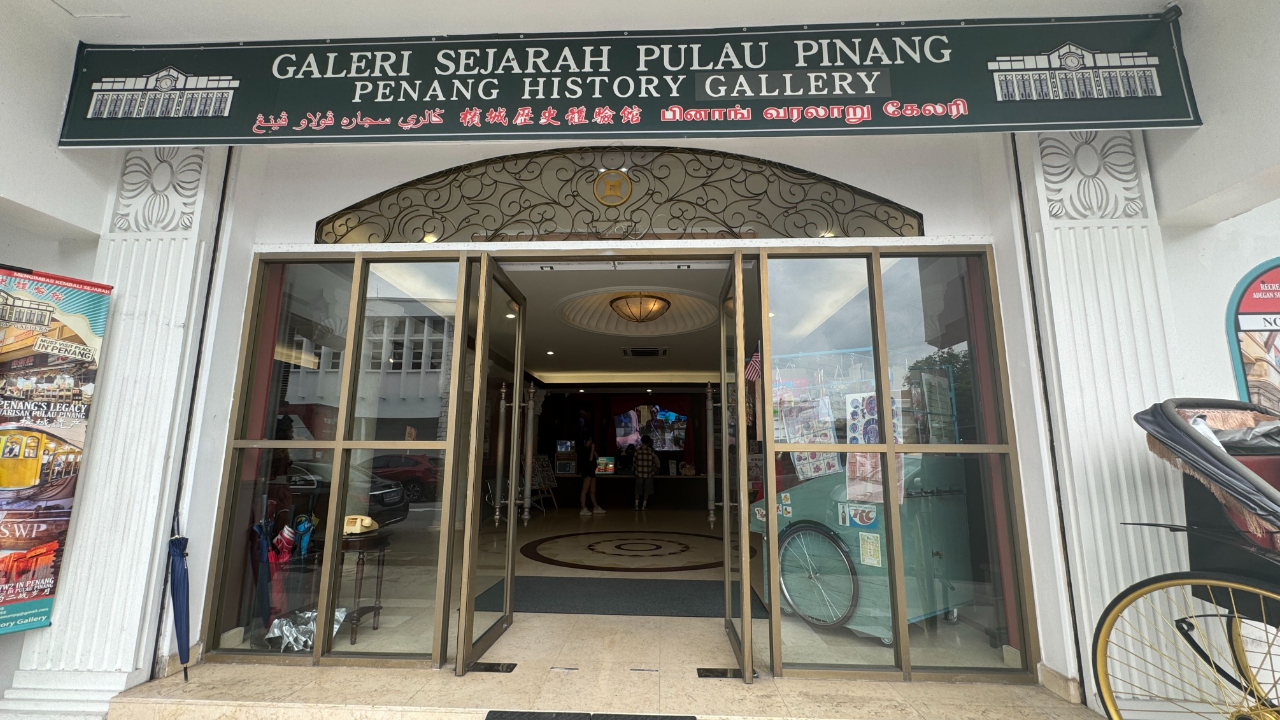
Penang is the kind of place where history doesn’t sit in museum cases. If you’ve ever wondered how Penang became such a unique mix of cultures, languages, religions, architecture, and food, then a visit to Penang History Gallery will answer it for you. Rather than displaying items in glass cases, the gallery lets you walk through Penang’s past, which tells stories without words. Each corner, alley, shopfront, and recreated home inside the building invites you to slow down, look closely, and imagine the people who once lived through Penang’s earliest days as a port settlement, its multicultural evolution, and the challenges and transitions that shaped modern Penang.
Inside Penang History Gallery: What You’ll Experience
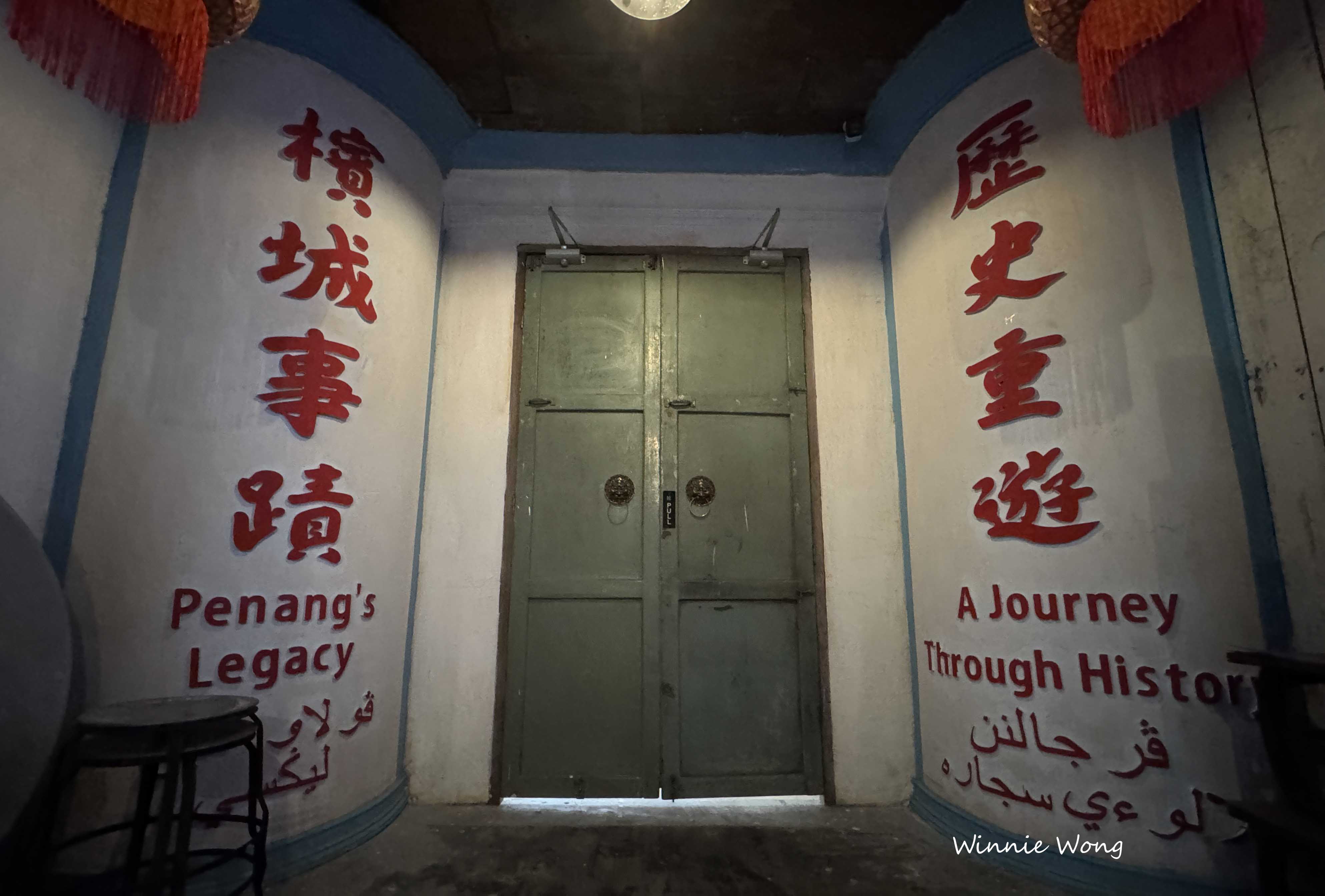
The first section of the gallery is designed to spark curiosity right away.
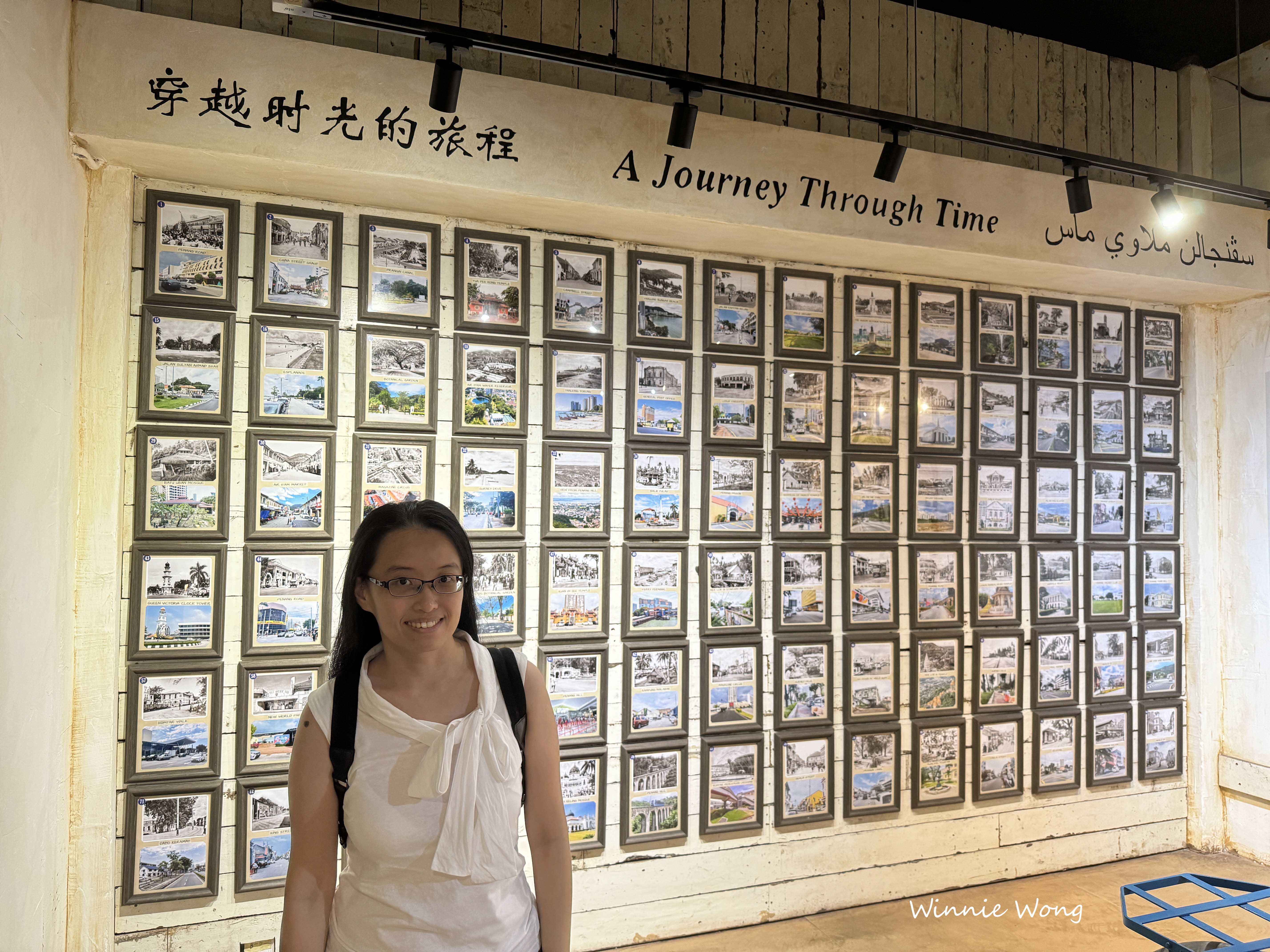
You are greeted by a series of side-by-side then-and-now photographs of Penang, showing how familiar streets and landmarks have transformed over the years while still retaining their soul.
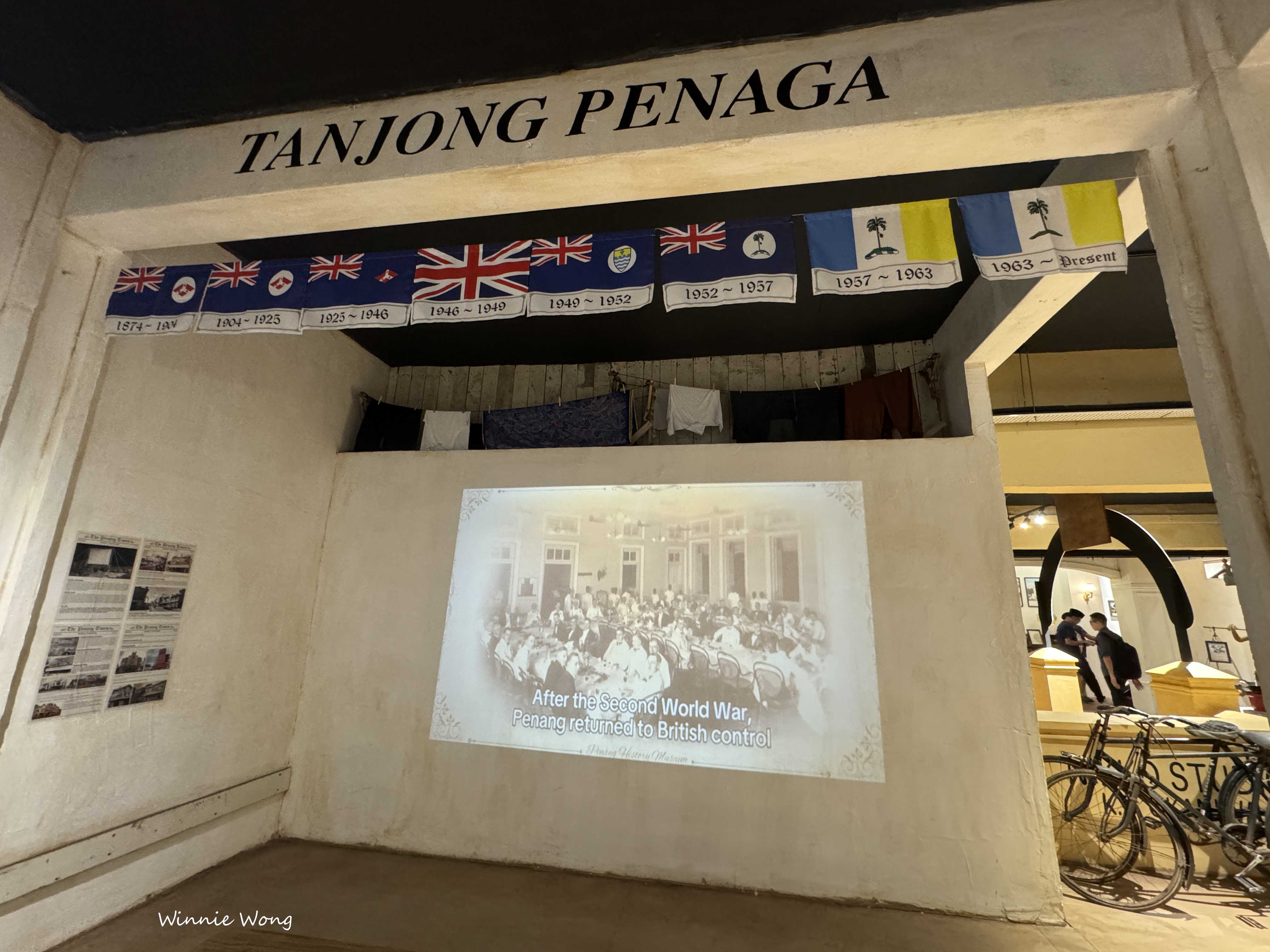
A short introductory video plays nearby, offering a quick, friendly overview of Penang’s beginnings and how the island grew into the multicultural place it is today.
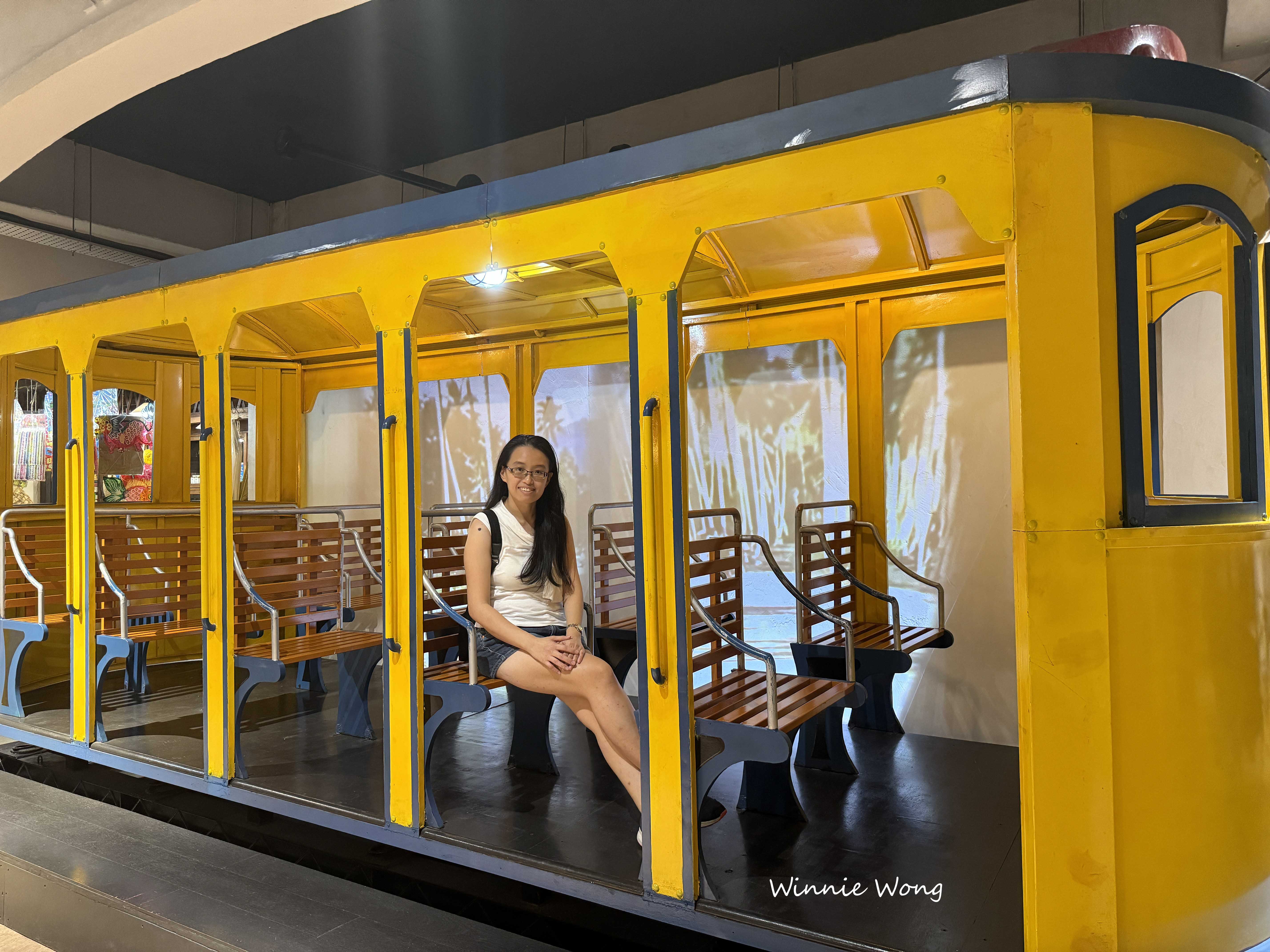
Just after this visual introduction, you can take a short ride on a motion-simulated “train.” It is a playful experience in which you sit in a small cabin that gently moves as scenes of Penang roll past, giving you the feeling of travelling across different eras. This quick ride leads you deeper into the gallery, and by the time you step off, you are already mentally prepared to explore the next chapters of Penang’s story.
Everyday Life in Old Penang
You’re stepping into scenes that mimic George Town’s older commercial streets. You walk through recreated scenes of:
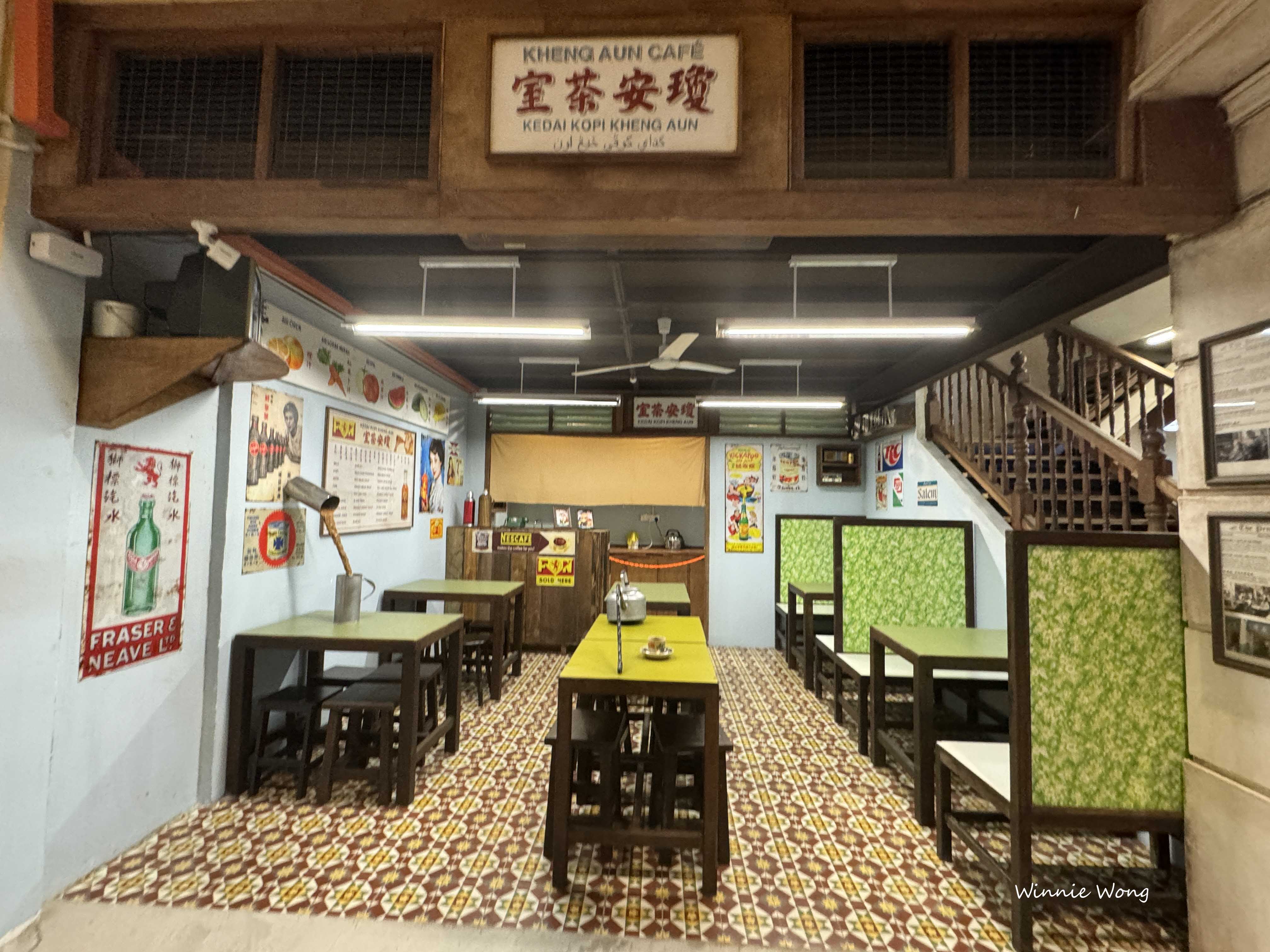
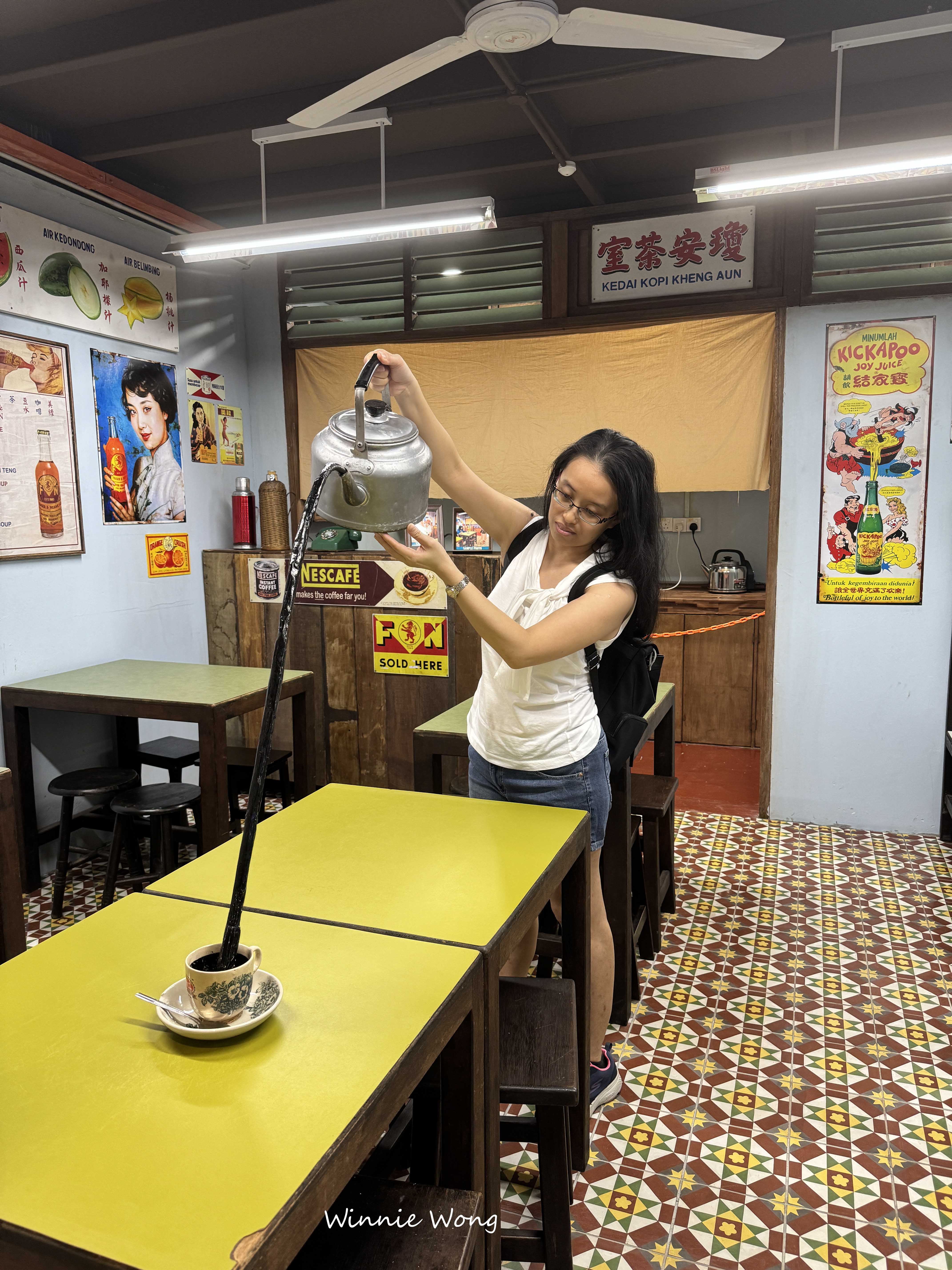
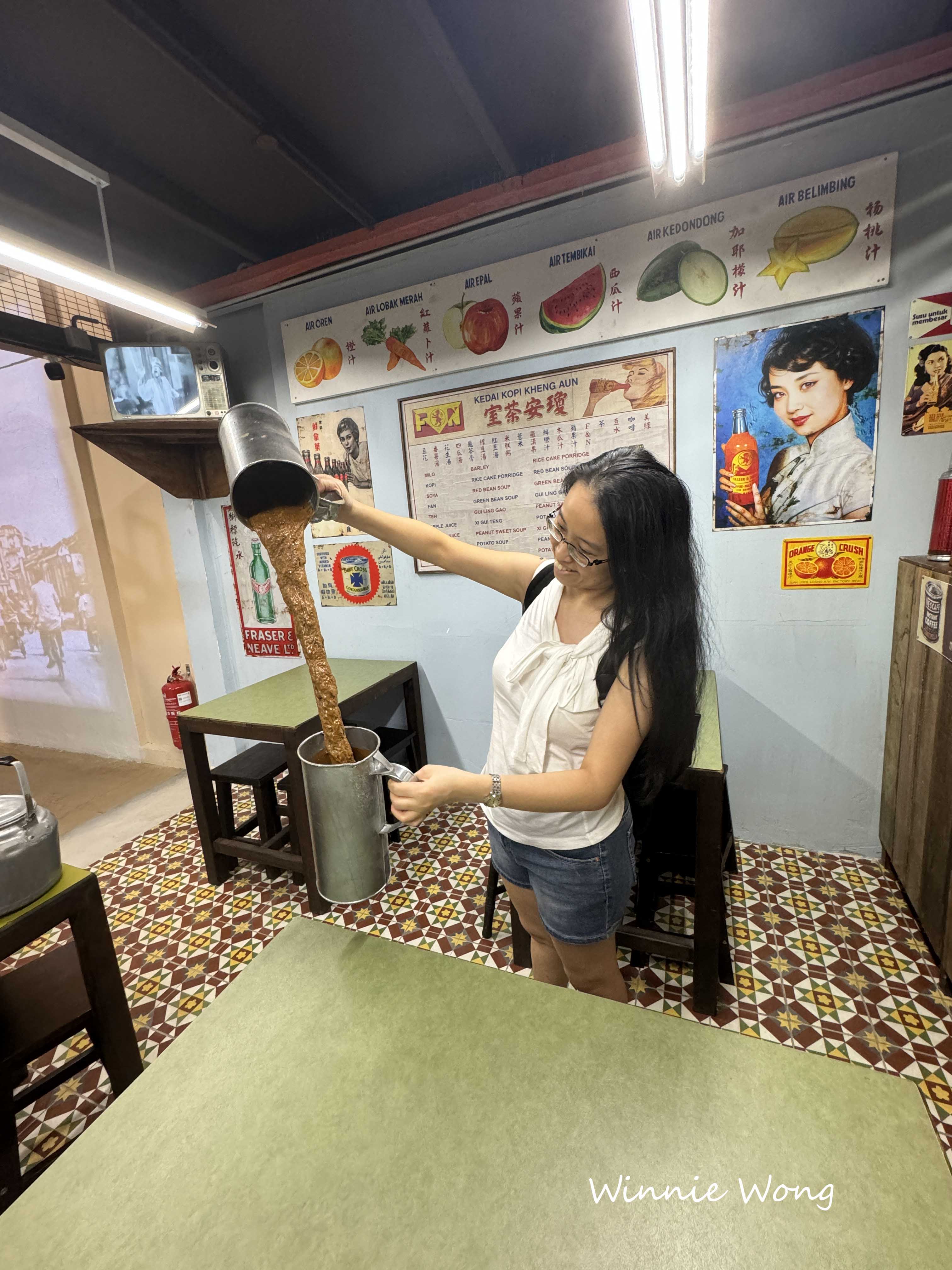
Kopitiams with chipped enamel mugs
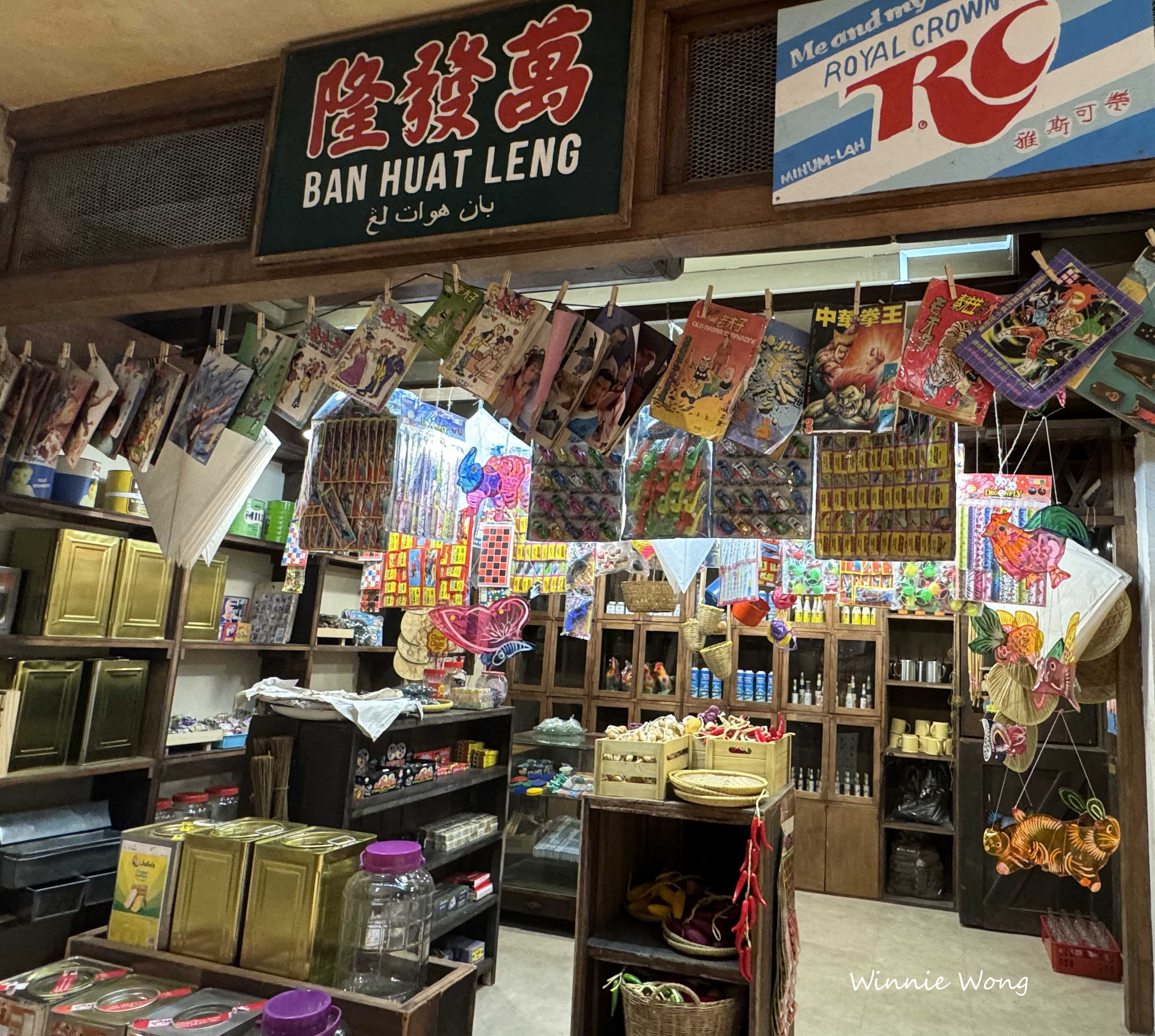
Sundry shops stocked with old-school biscuits
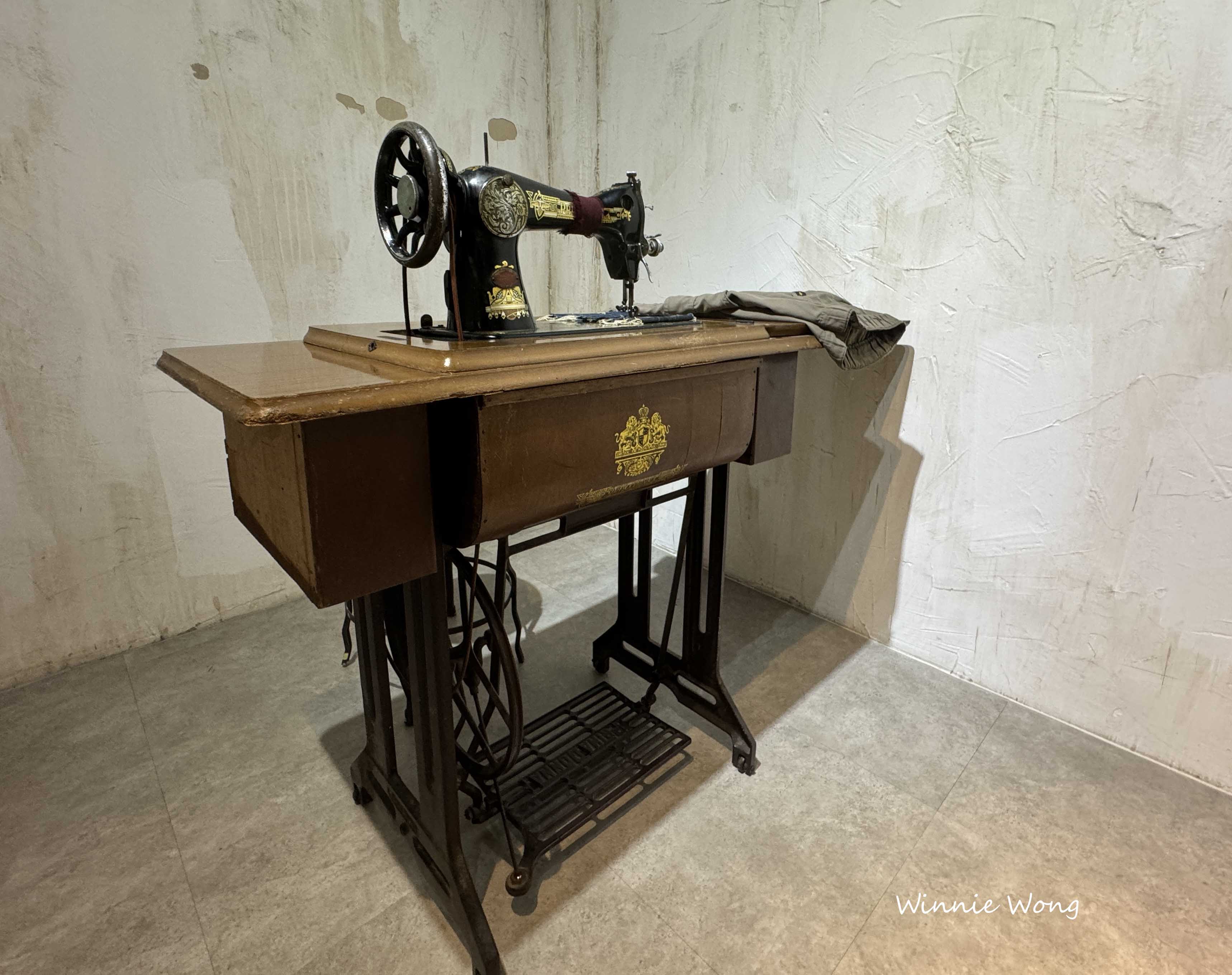
Small tailor corner with vintage sewing machines
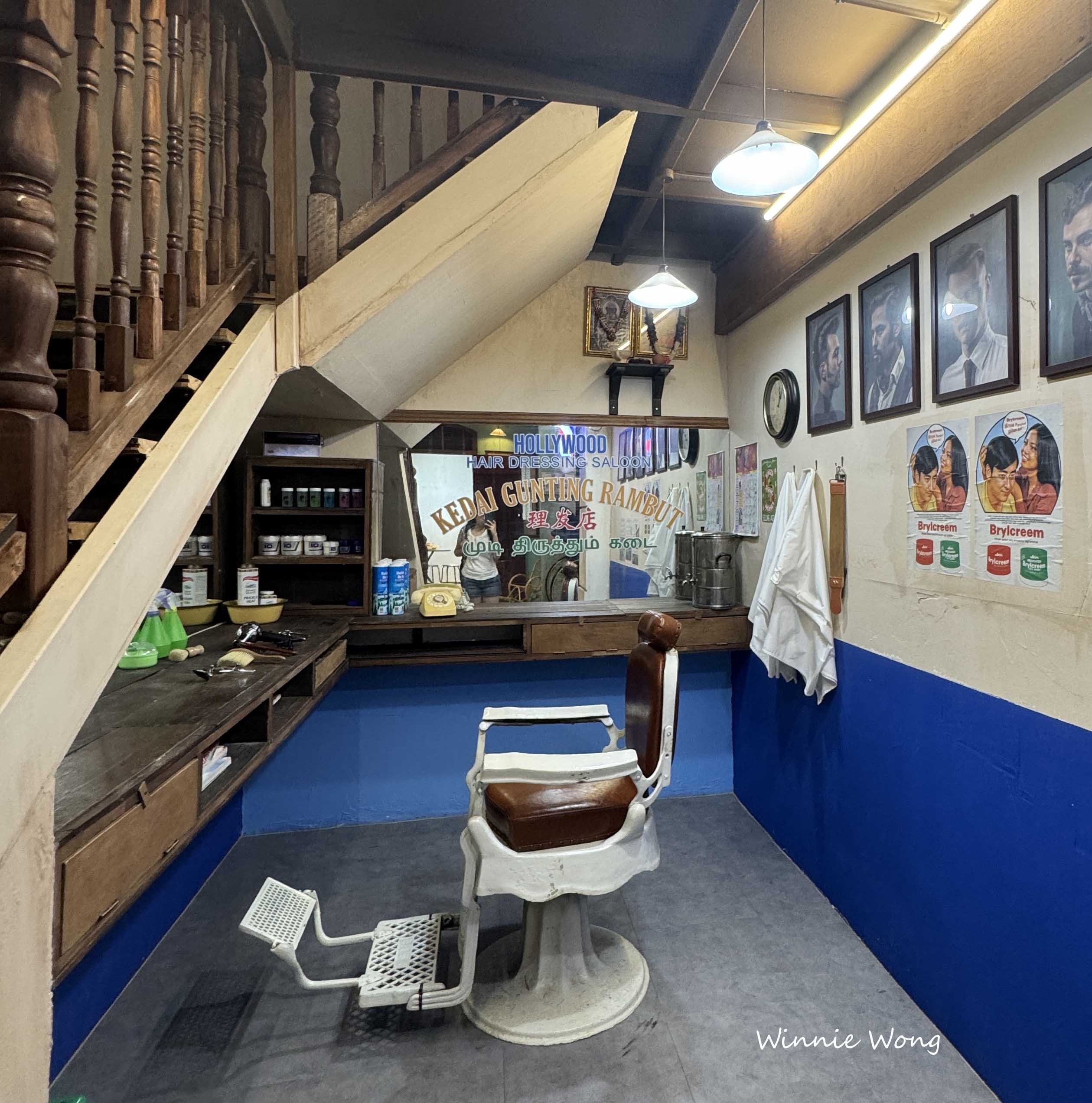
Barbershops with manual clippers and leather strops
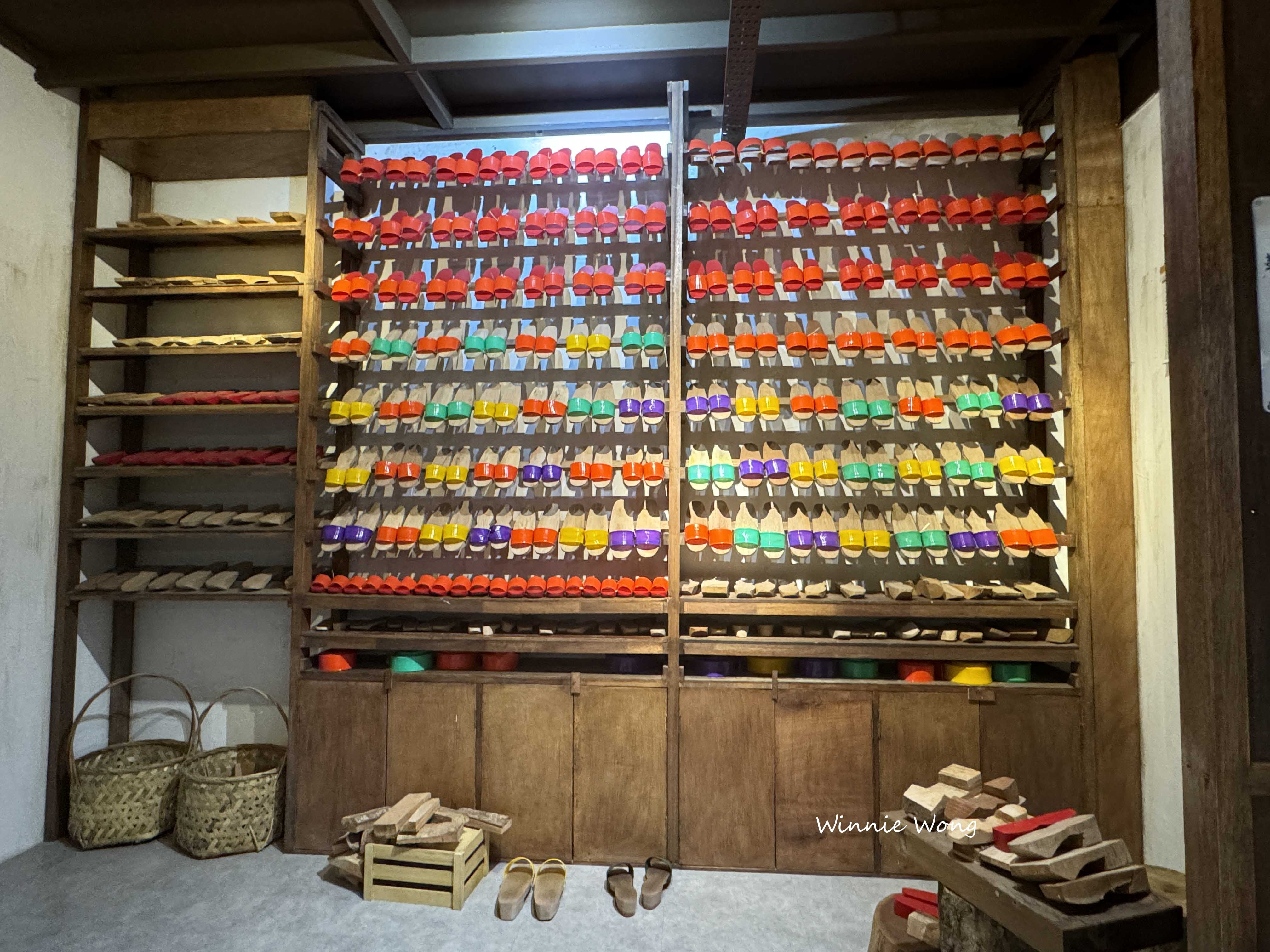
Cobbler stalls lined with wooden clogs and leather tools
These life-sized sets transport you to a time when Penang was simpler, quieter, and shaped by small family-run businesses.
Penang as a Bustling Port and Trading Hub
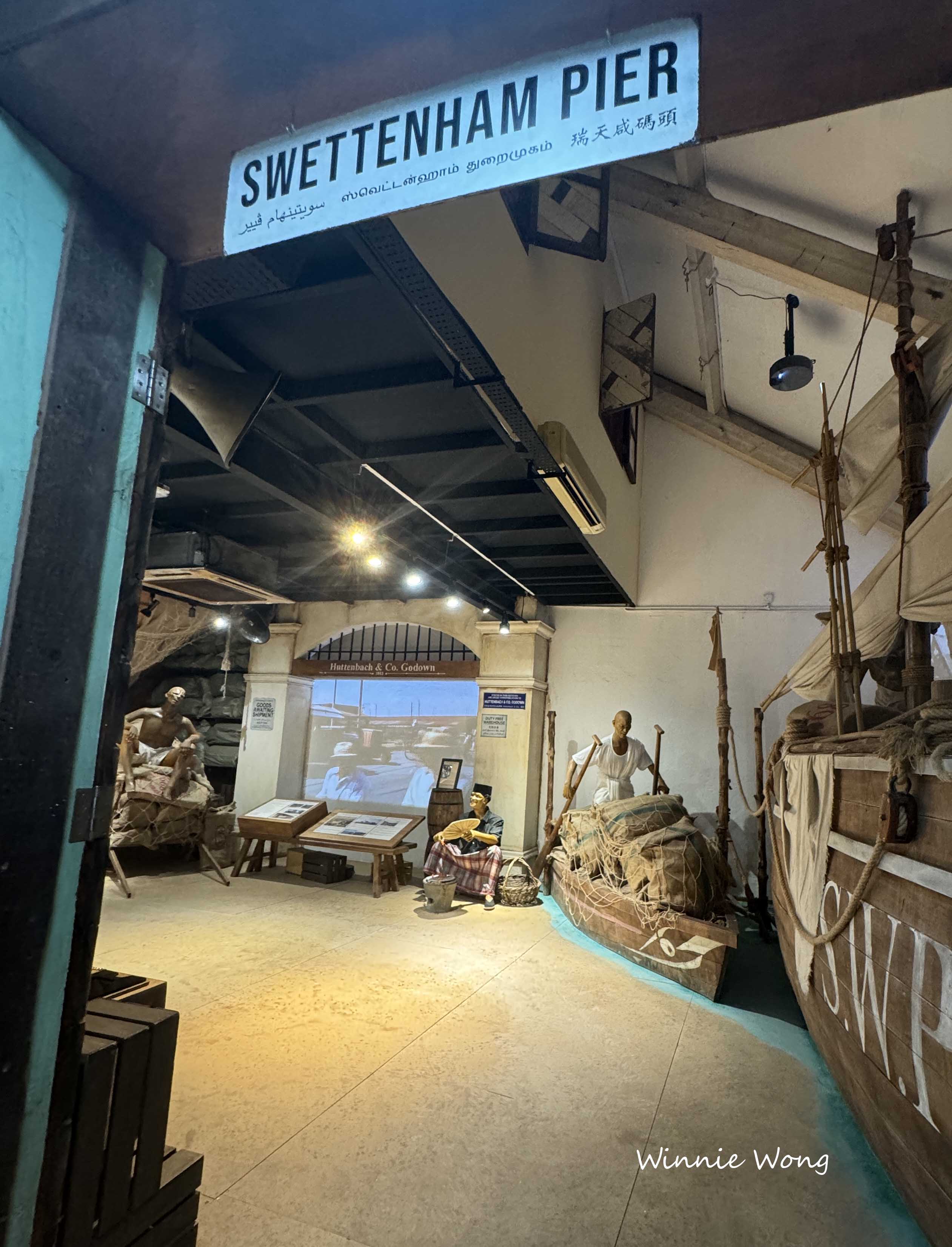
Next, you step into the era that shaped Penang’s identity. You get a glimpse of how Penang became a melting pot of culture and one of the most diverse places in Southeast Asia.
This gallery pays homage to this with atmospheric zones showing:
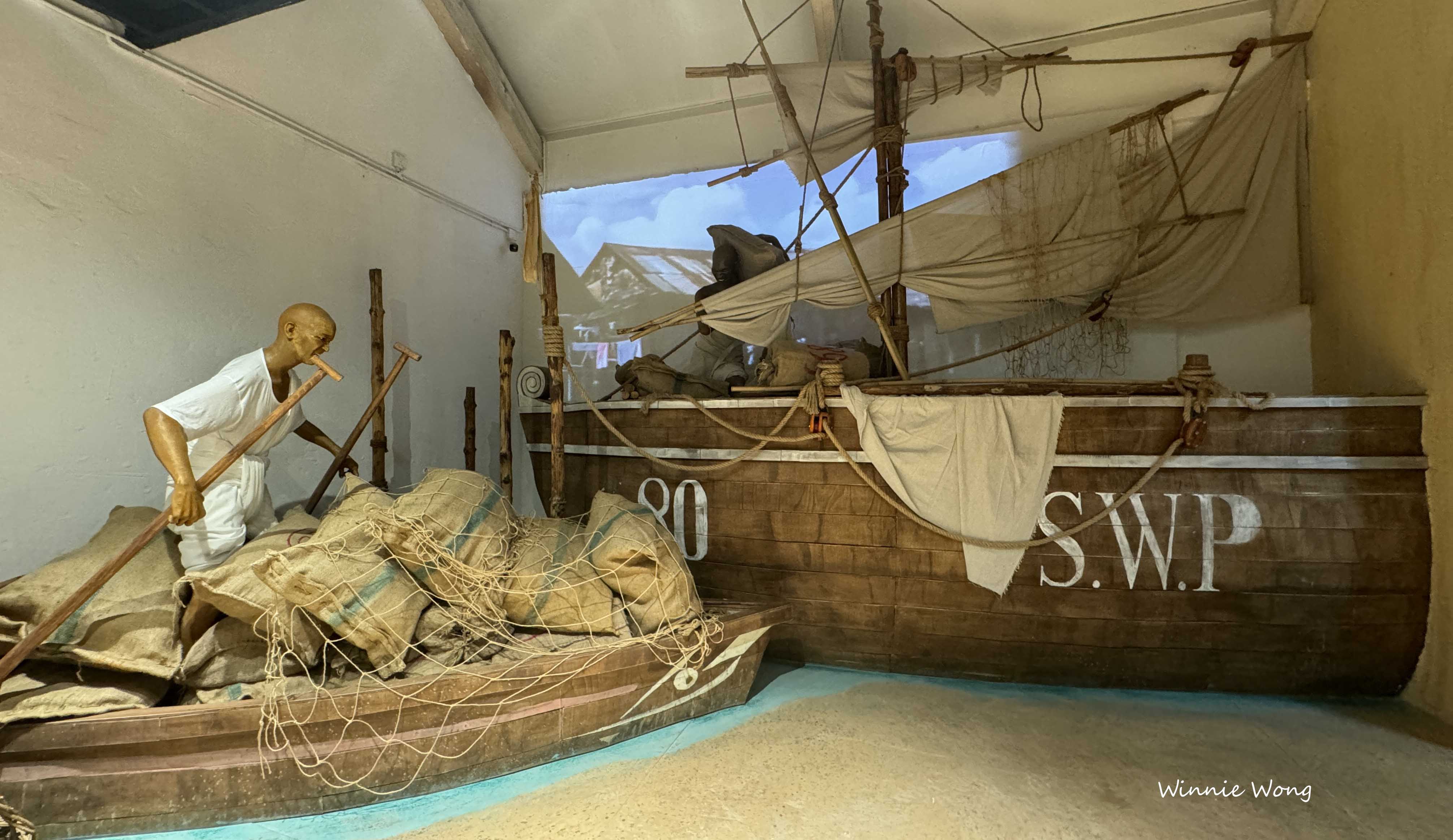
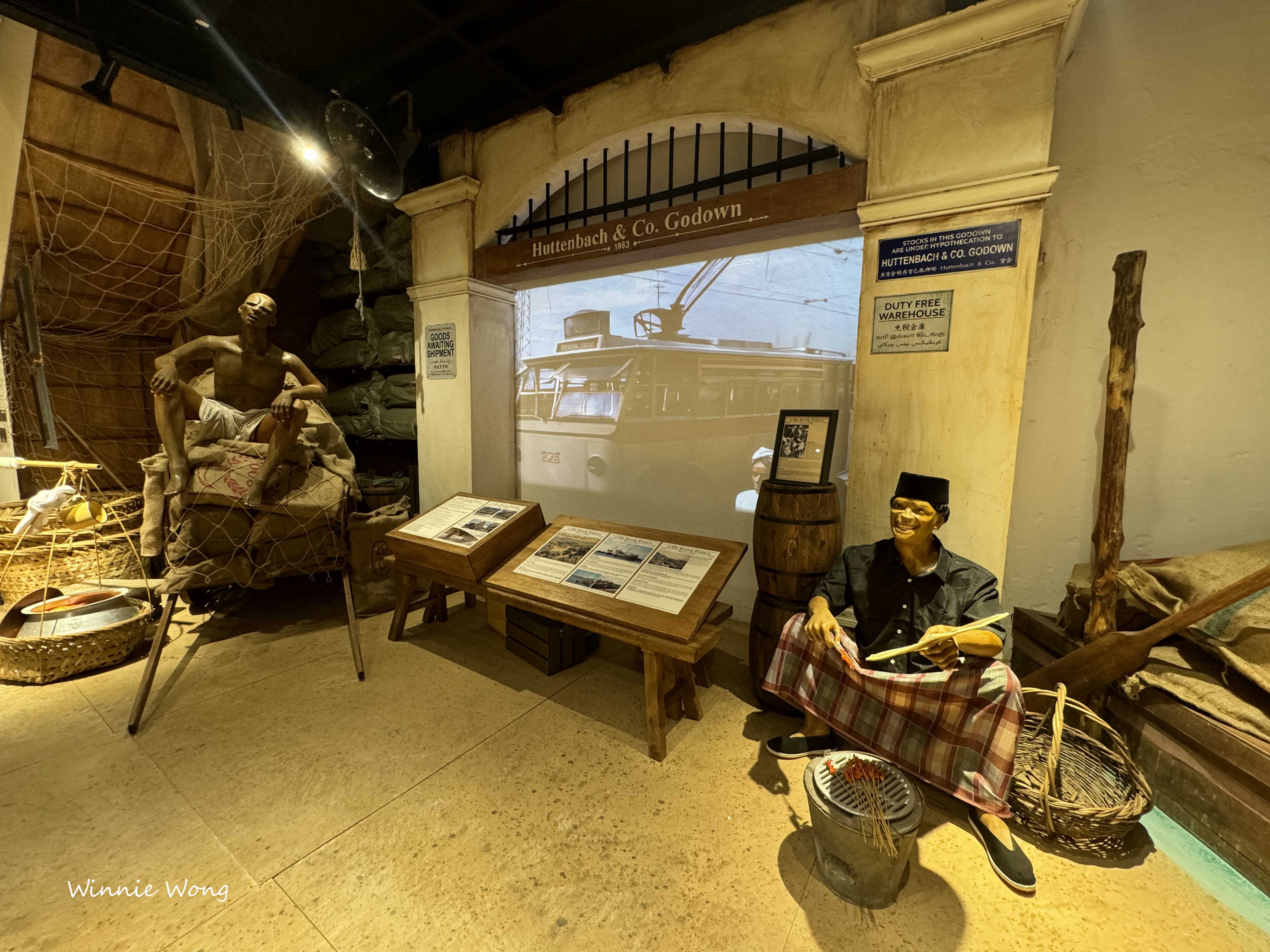
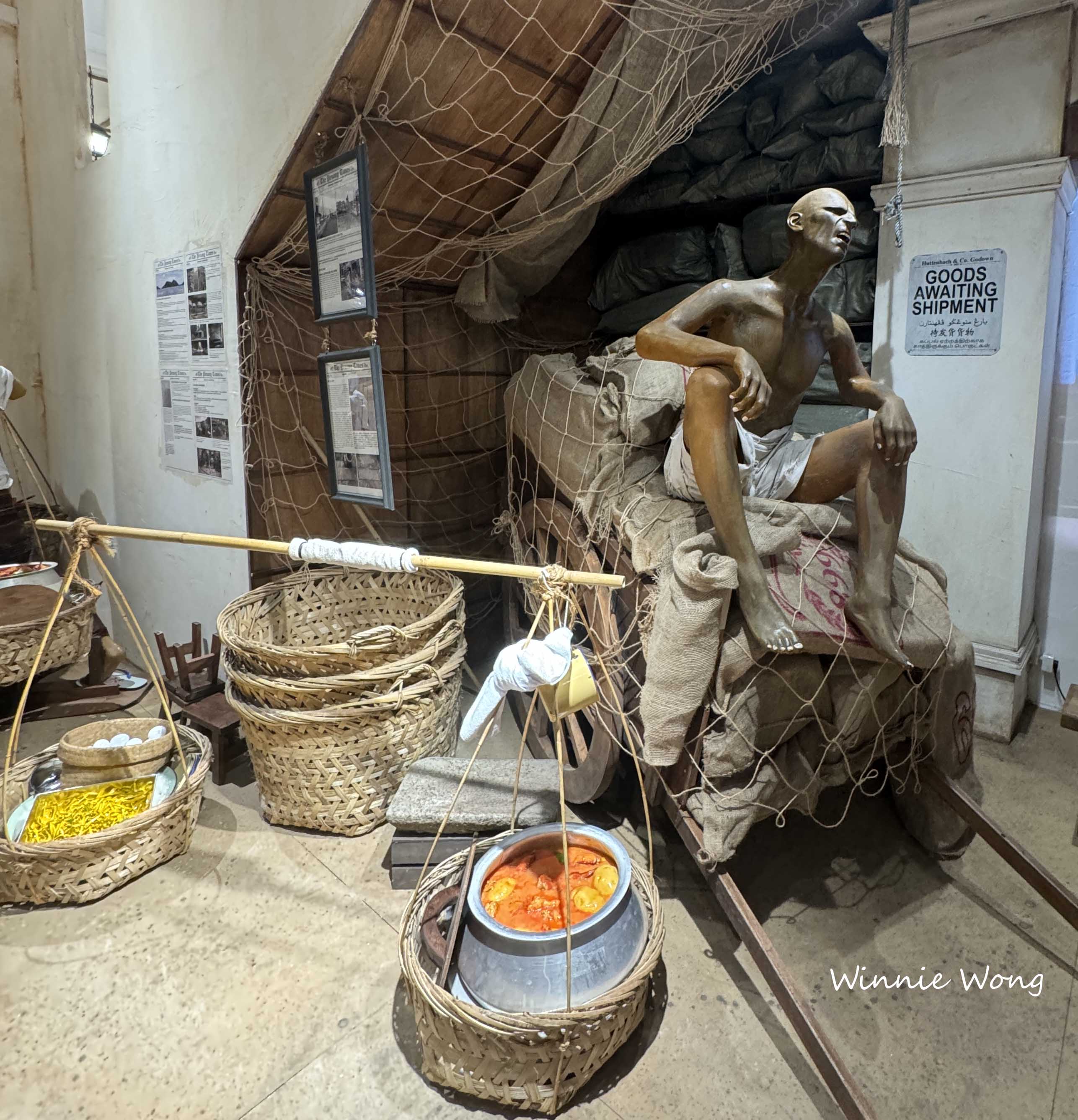
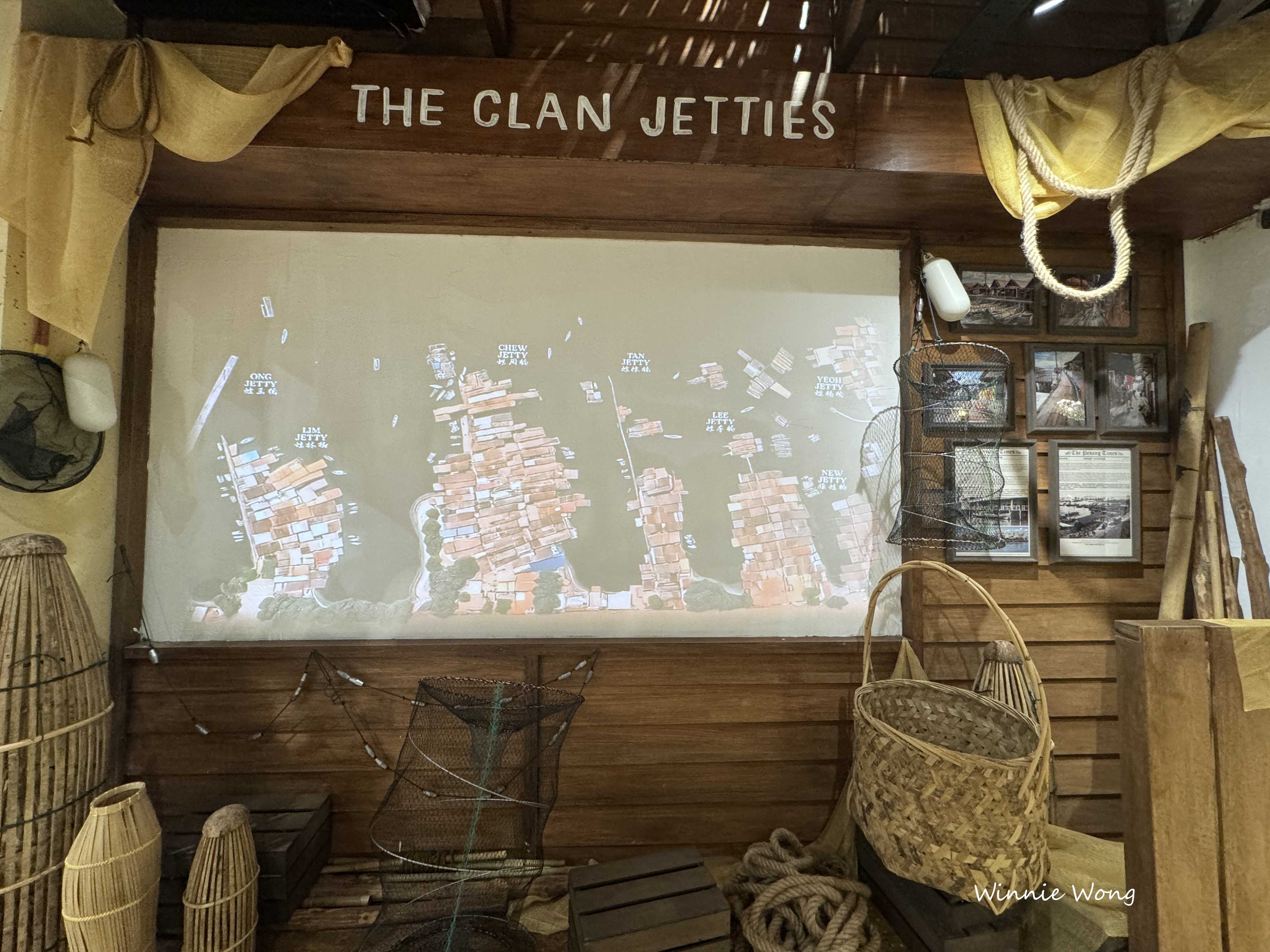
The harbour environment
Penang grew because of its port, and the gallery visually illustrates this with recreated jetties, stacked crates, ropes, and maritime props. It’s a reminder that traders from across Asia shaped Penang’s culture, food and community over the centuries.
Social Issues: The Untold Side of Penang’s Growth
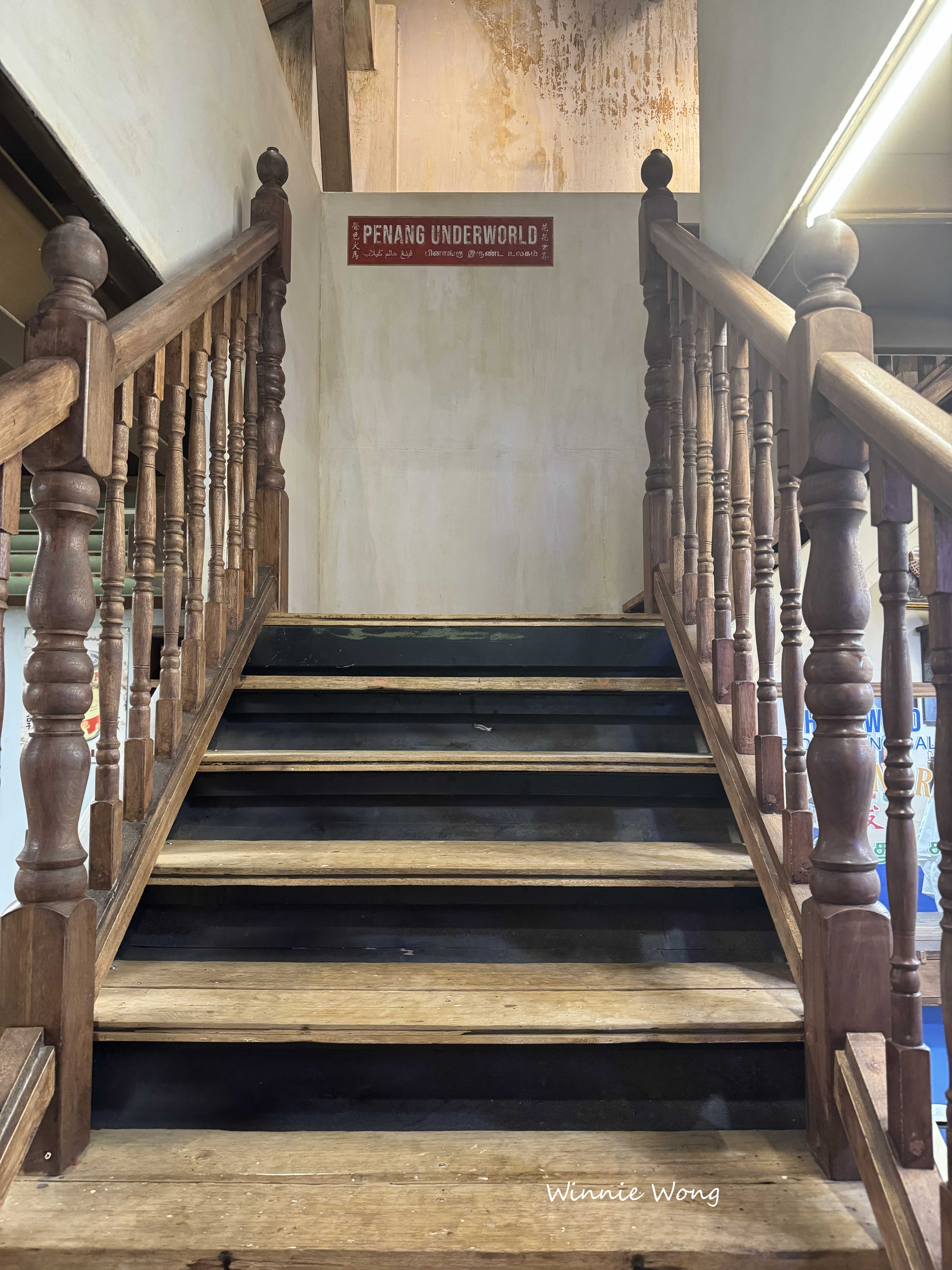
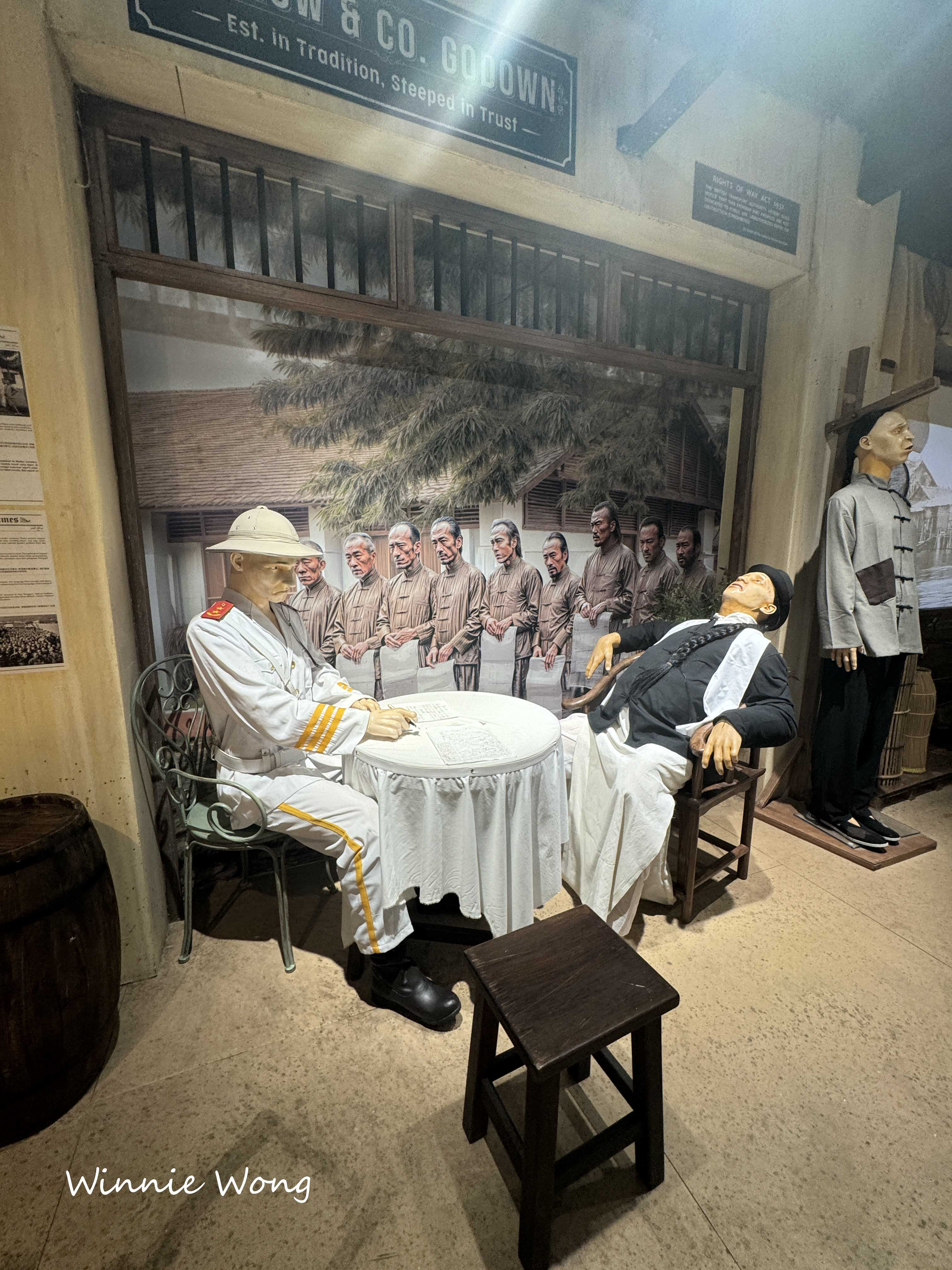
Penang wasn’t always postcard-perfect. In this section of the gallery, you encounter recreated scenes that reflect how rapid growth and prosperity also brought serious social problems.
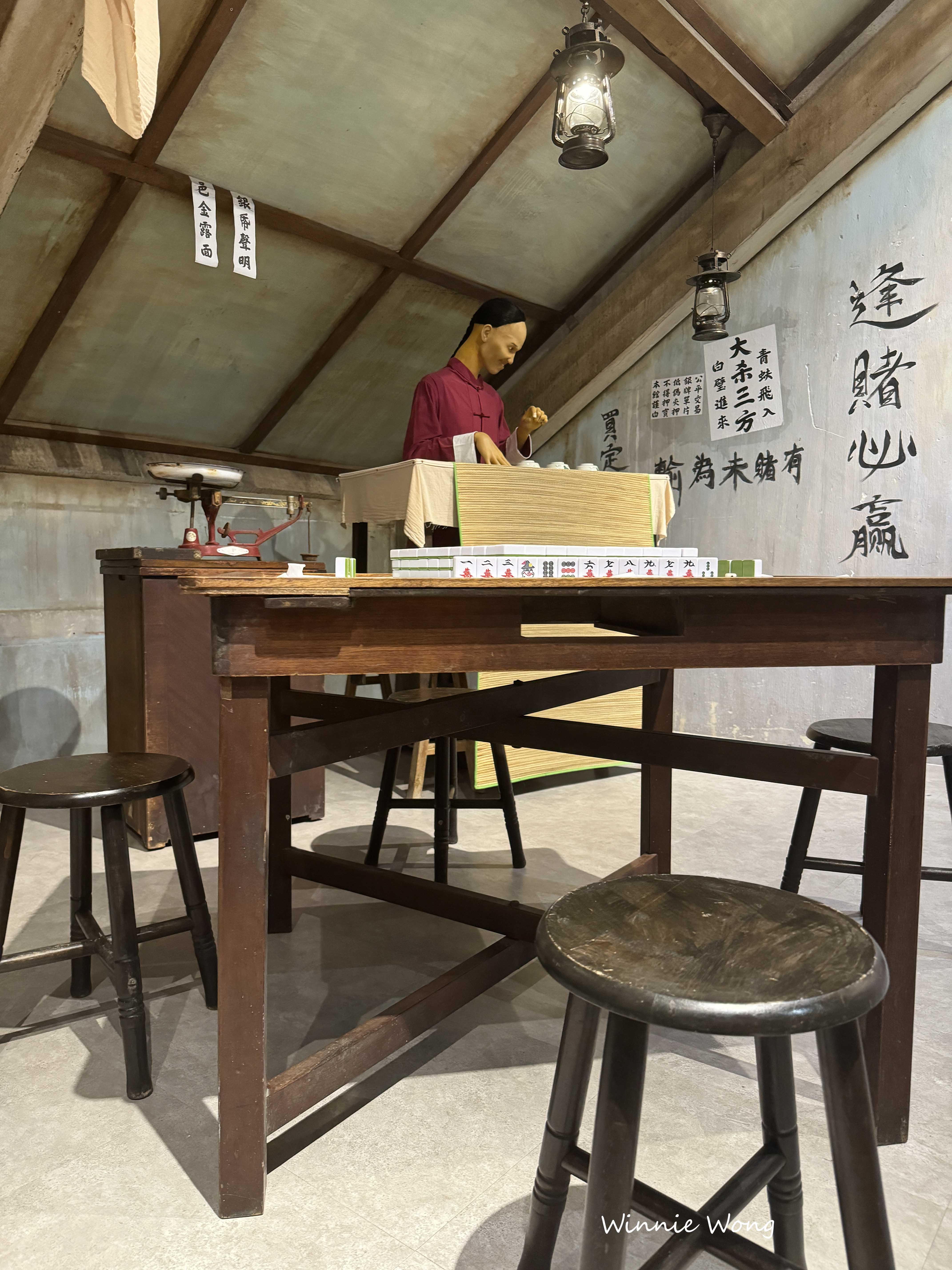
Gambling dens
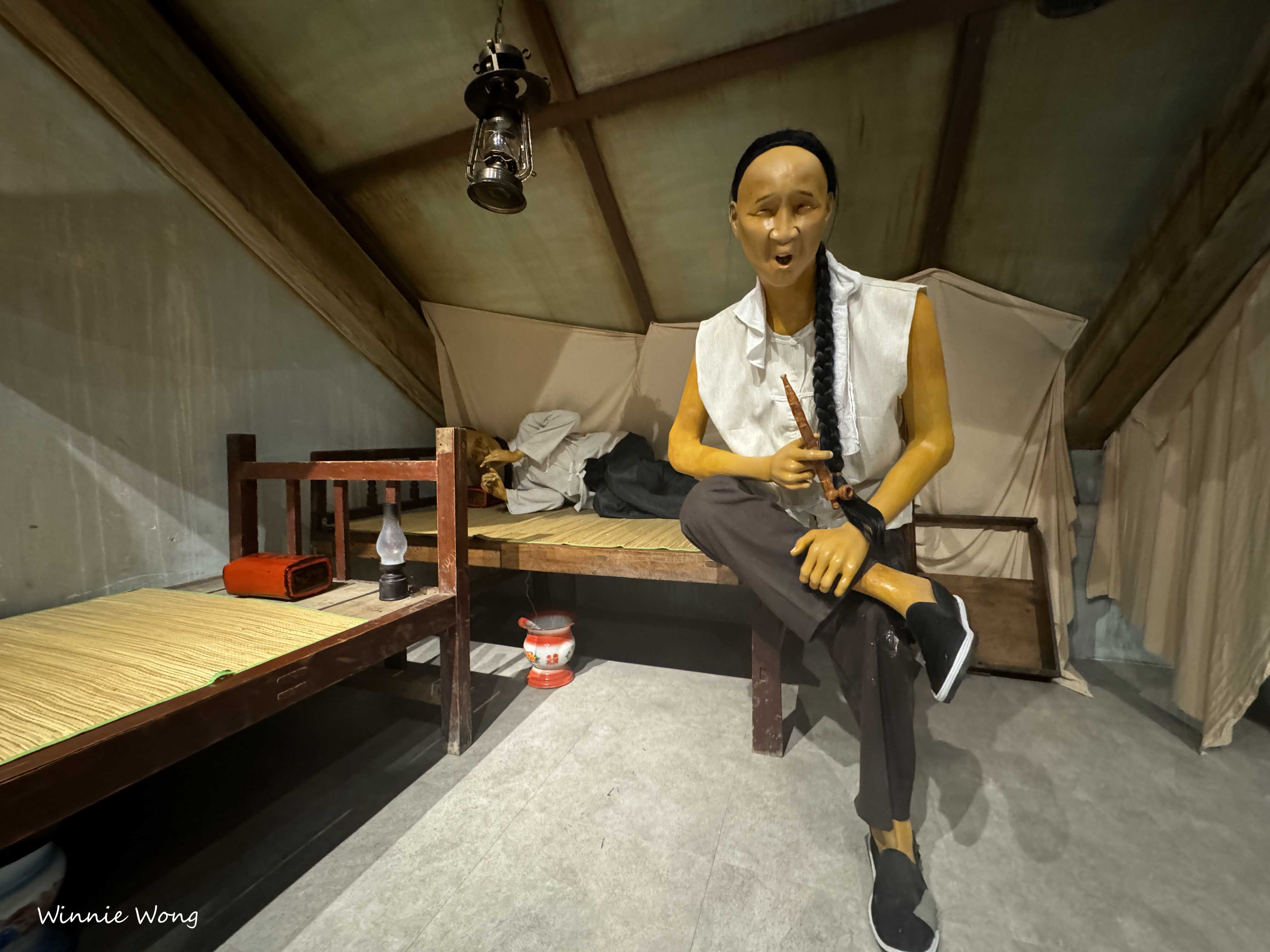
Opium rooms
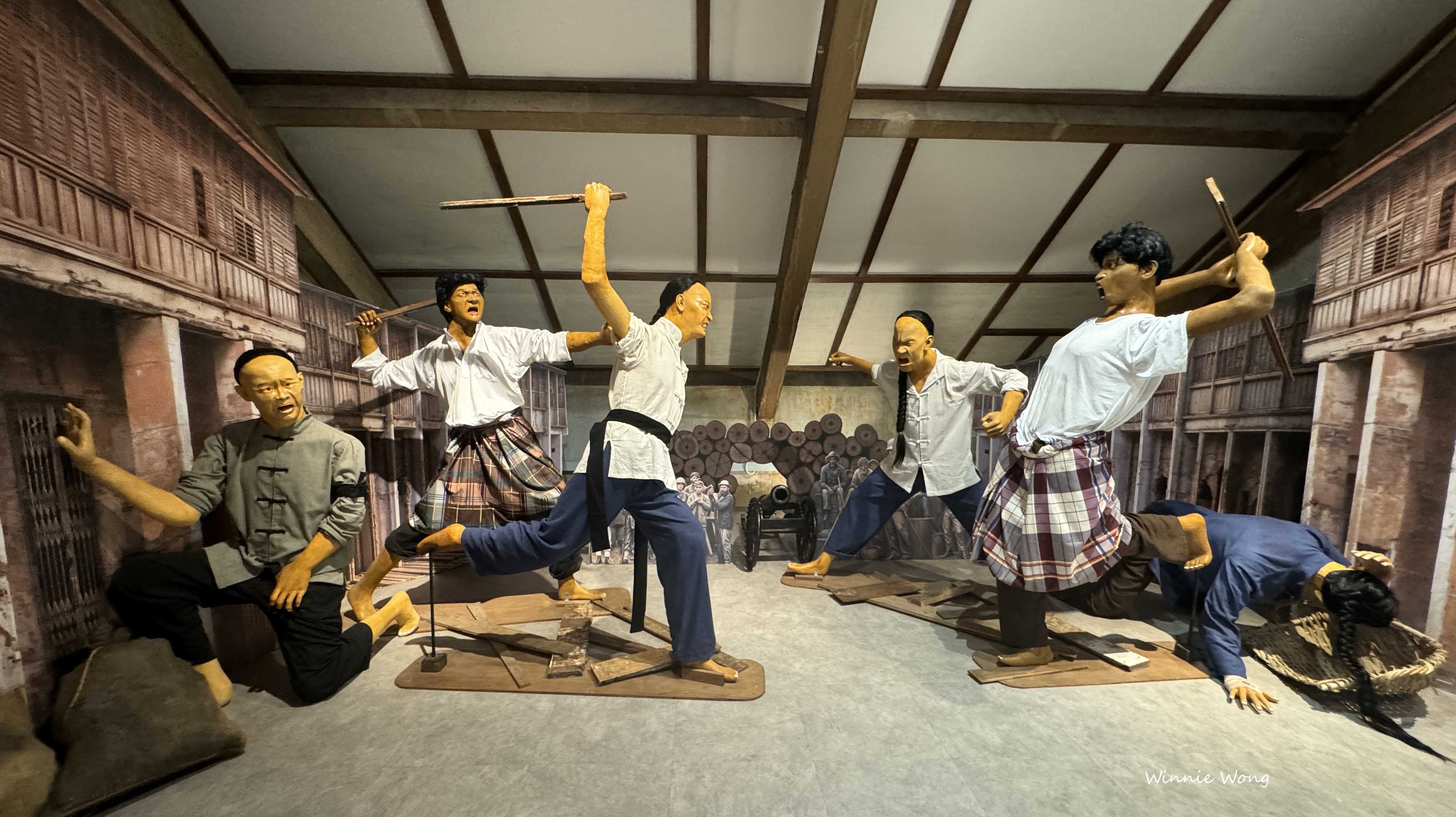
Touches on tensions and violent clashes between rival groups that affected neighbourhood safety (dedicated to the events of the 1867 Penang Riots)
Through photographs, reconstructions and historical accounts, the section shows how economic pressure, competition for trade, and weak social safeguards could lead to violence and disruption. Overall, it serves as a reminder of Penang’s people's resilience in overcoming difficult chapters to build a safer, stronger community.
Wartime Stories and the Japanese Occupation
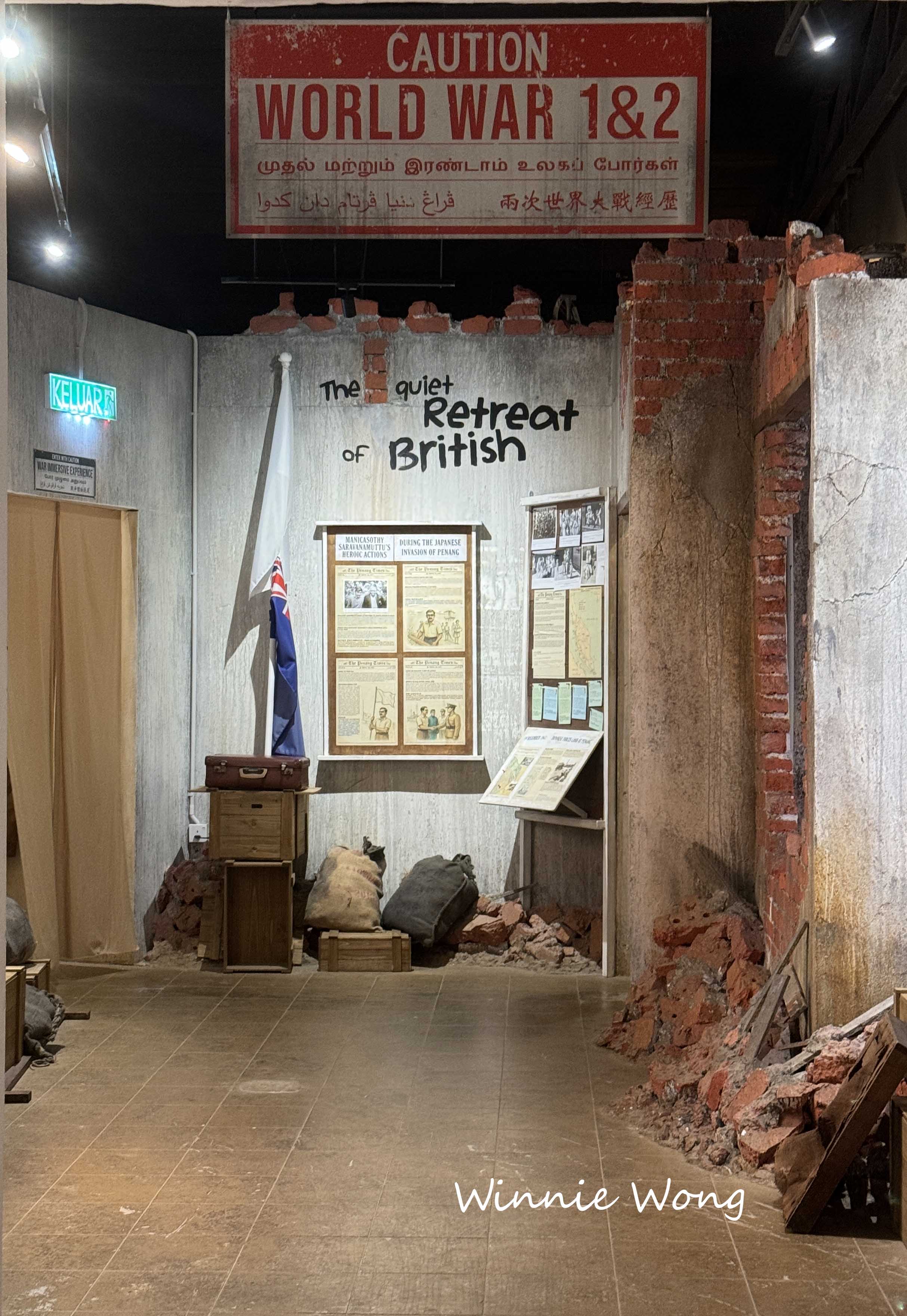
The gallery doesn’t ignore the painful parts of history. It highlights the reality of Penang during World War II and the Japanese Occupation. When you walk into the wartime zone, the atmosphere changes. Lighting softens, props become sparse, and the atmosphere reflects wartime uncertainty.
Here, you’ll see:
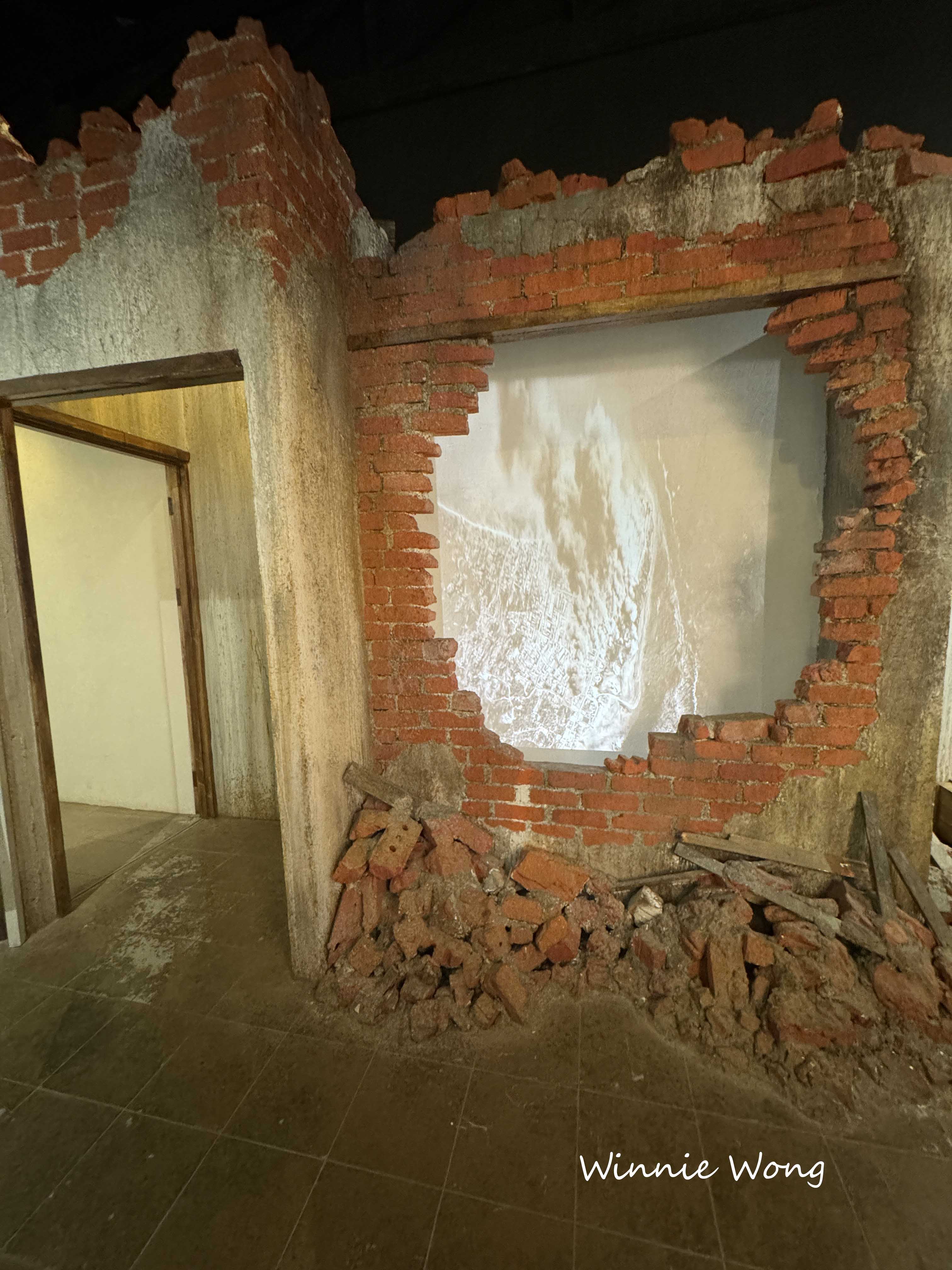
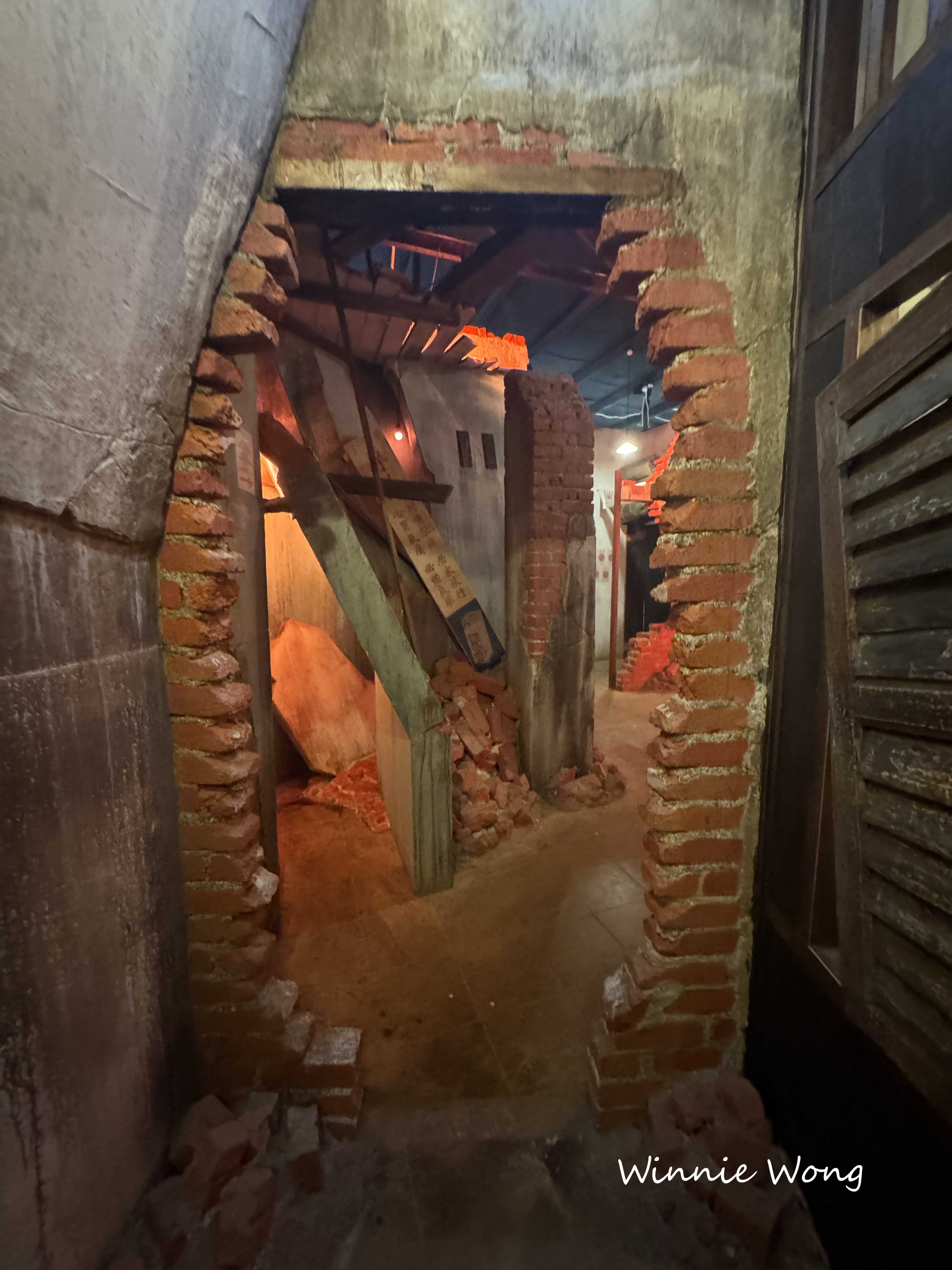
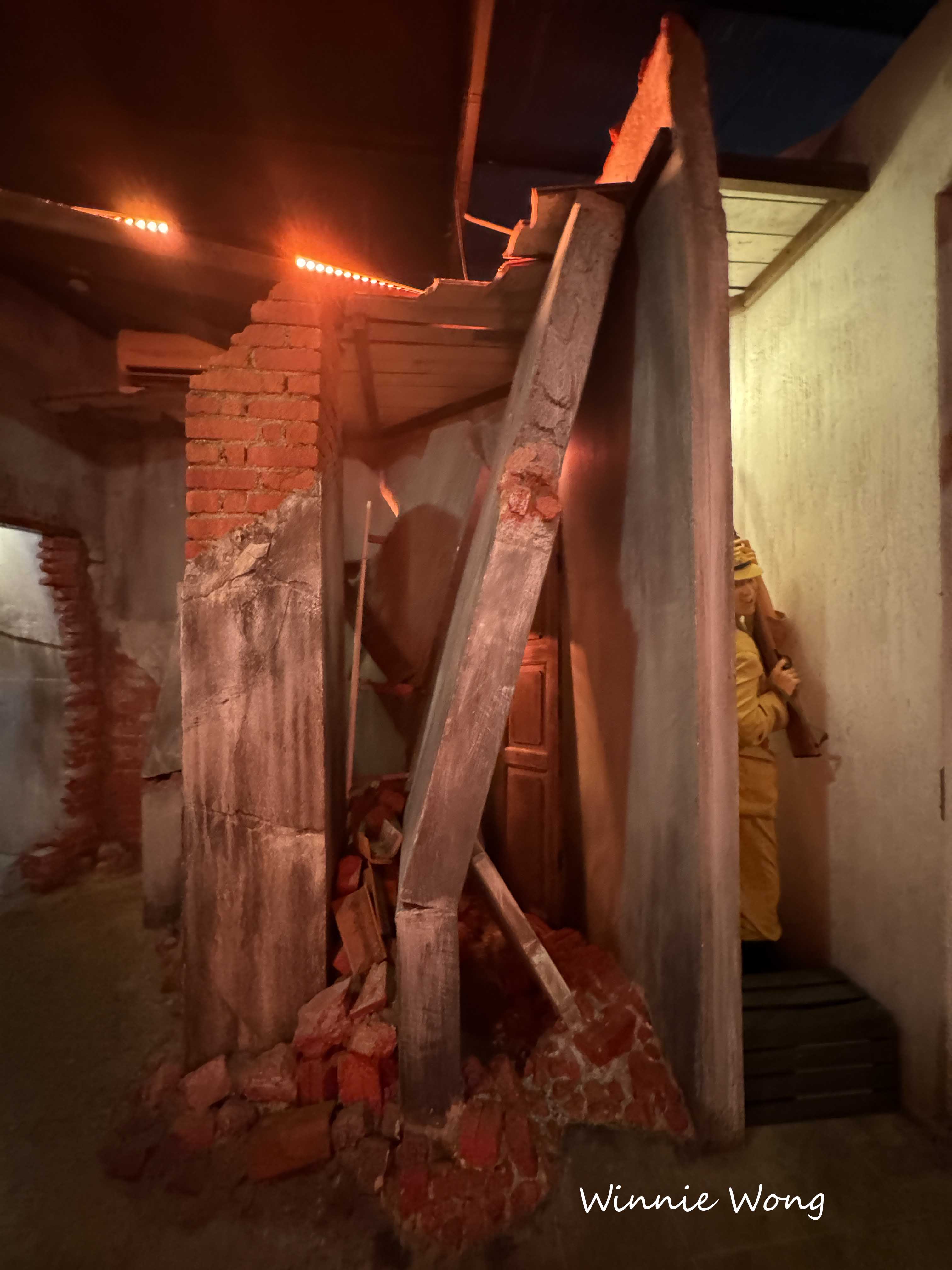
Homes damaged by wartime conflict
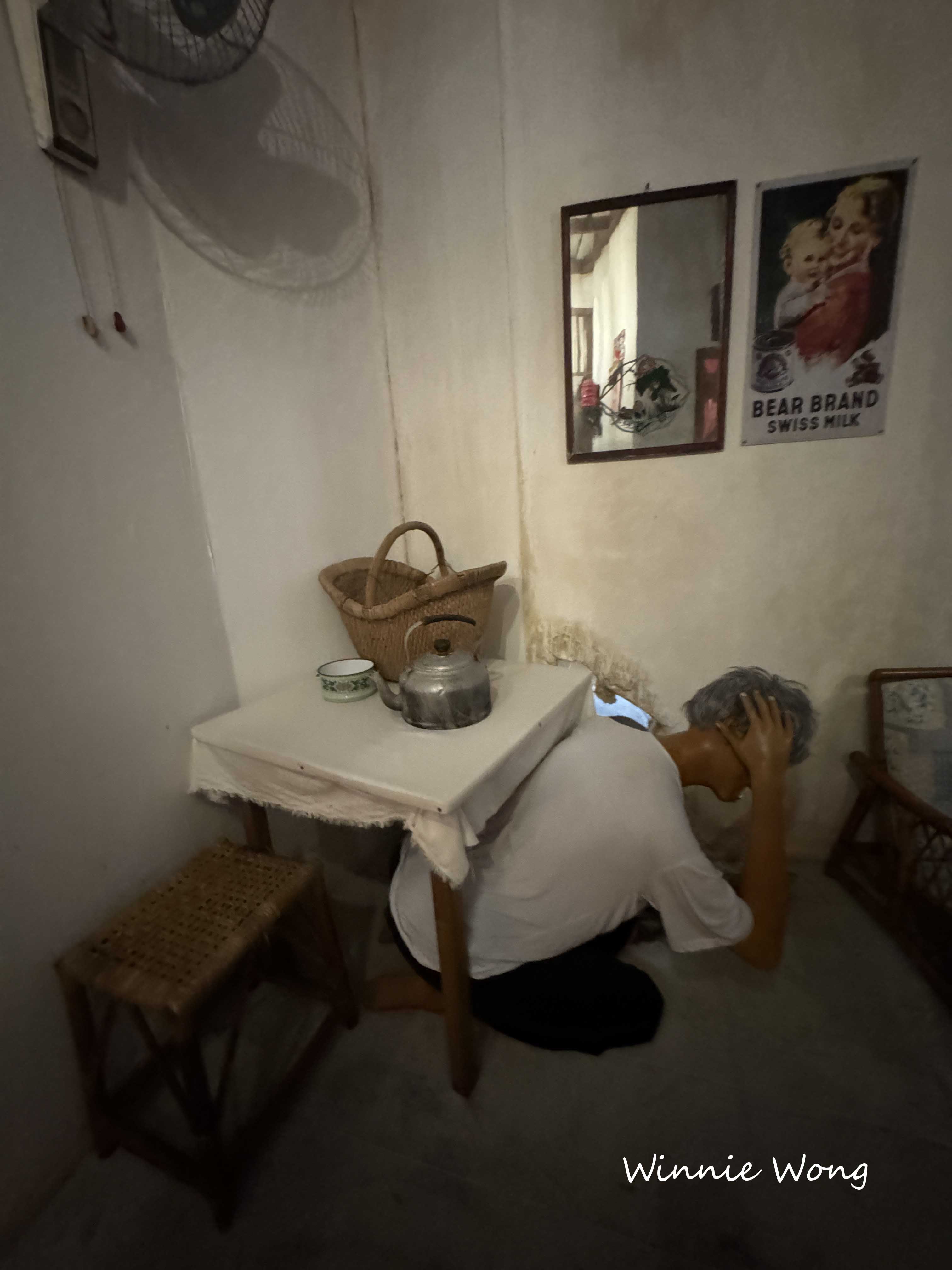
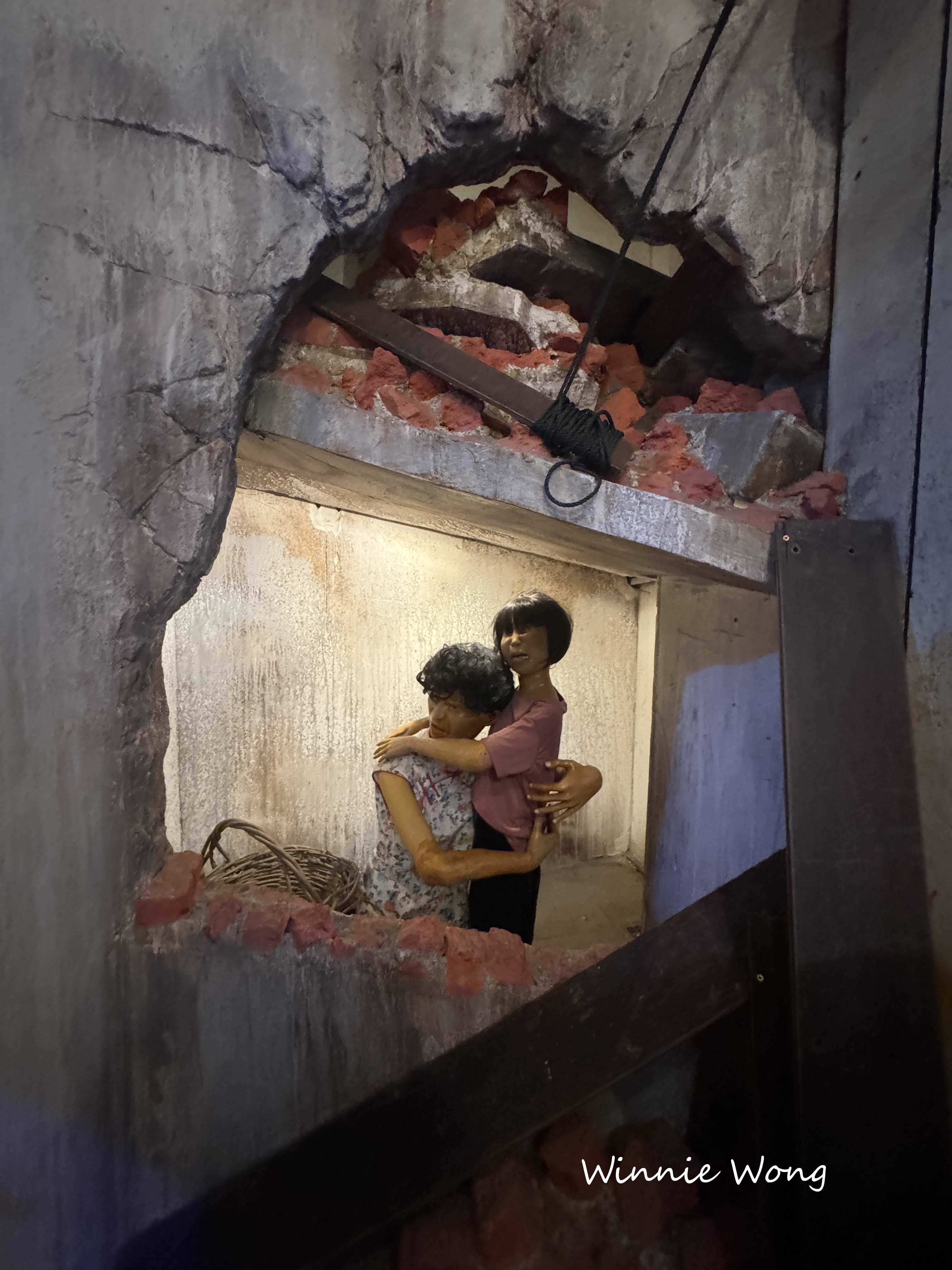
Makeshift shelters
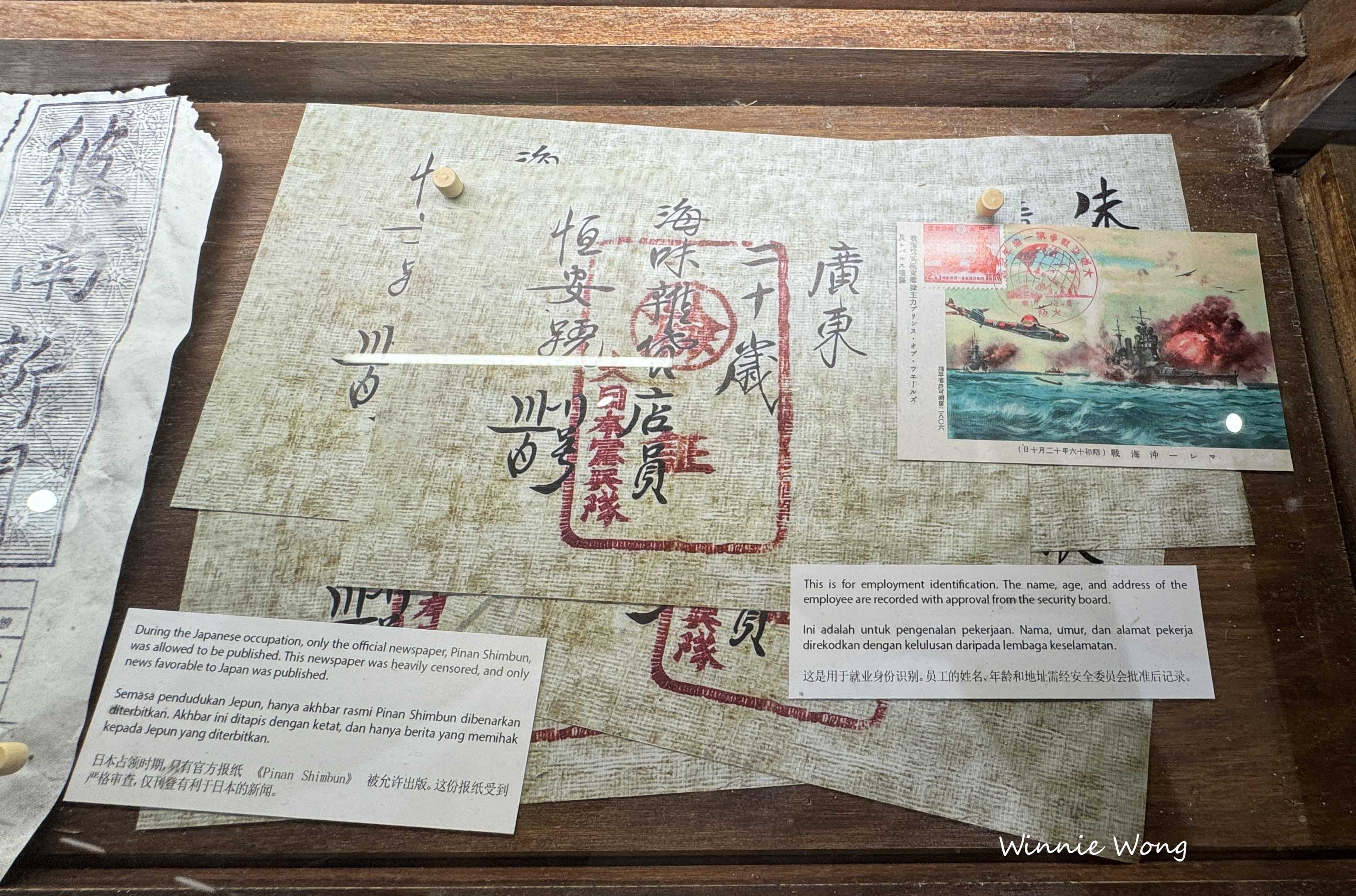
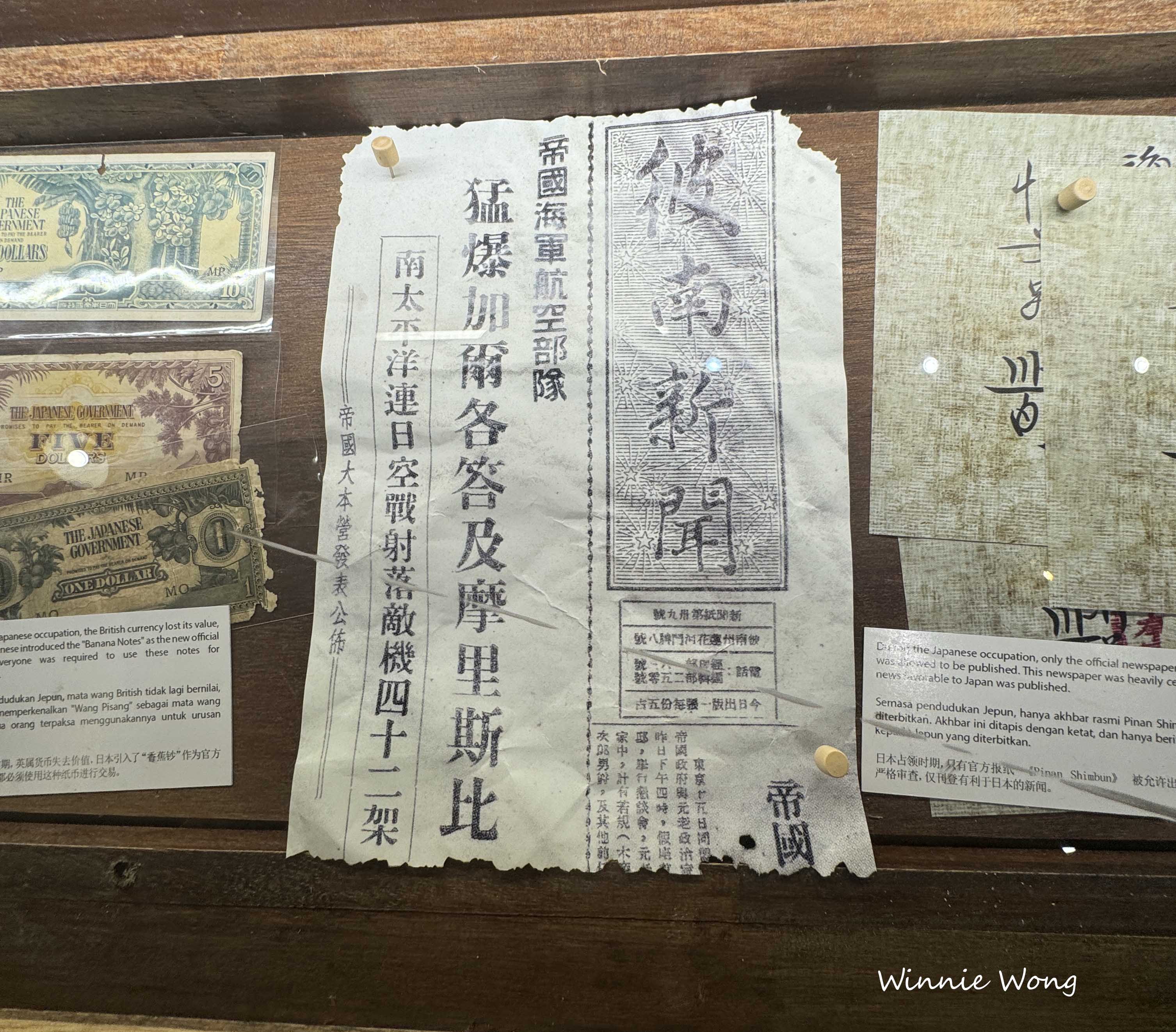
Period newspapers and posters
It’s a reminder that Penang’s past includes difficult chapters that shaped the resilience of its communities.
Traditional Homes and Kampung Life
This section feels warm and intimate. You wander through:
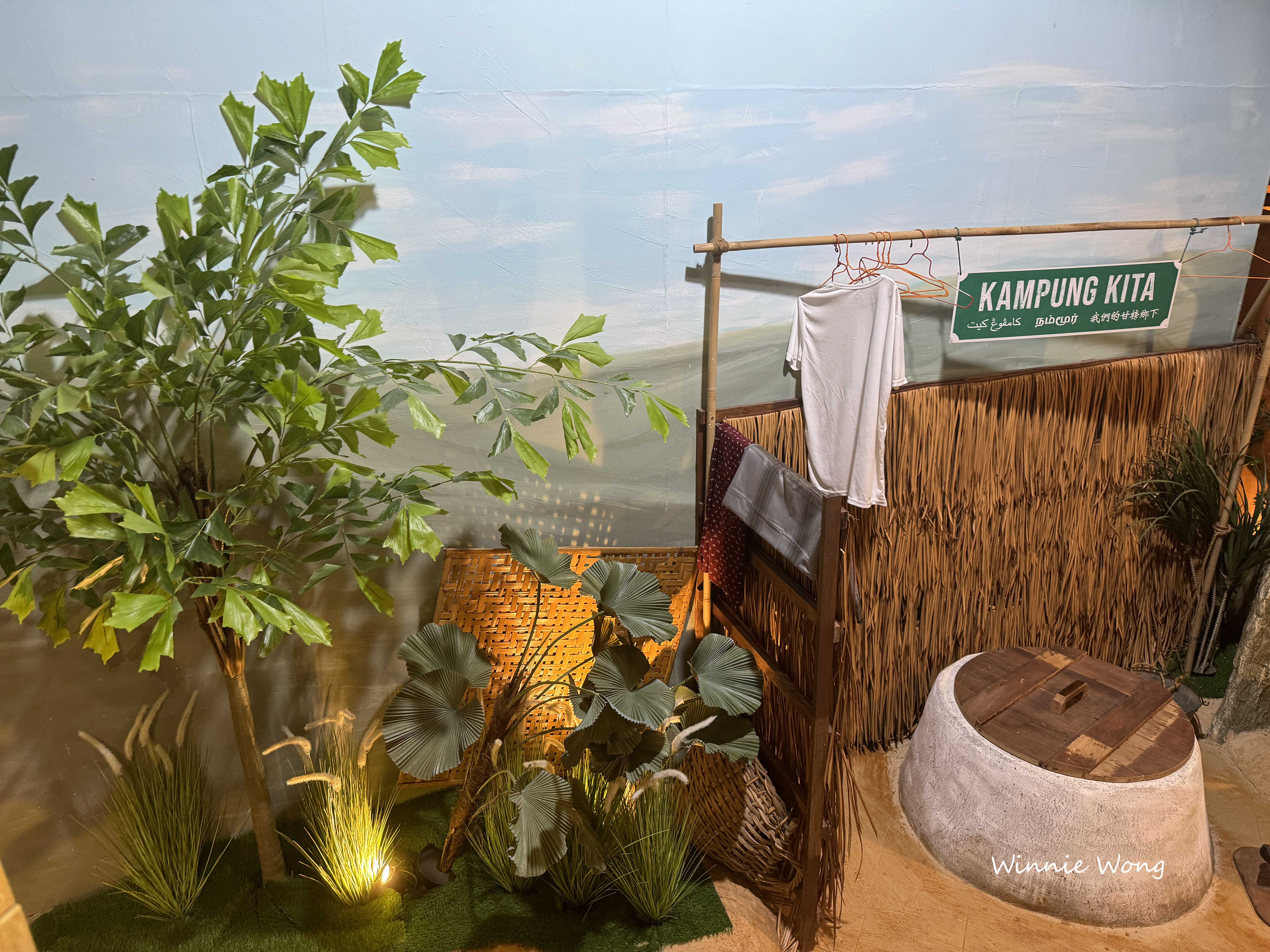
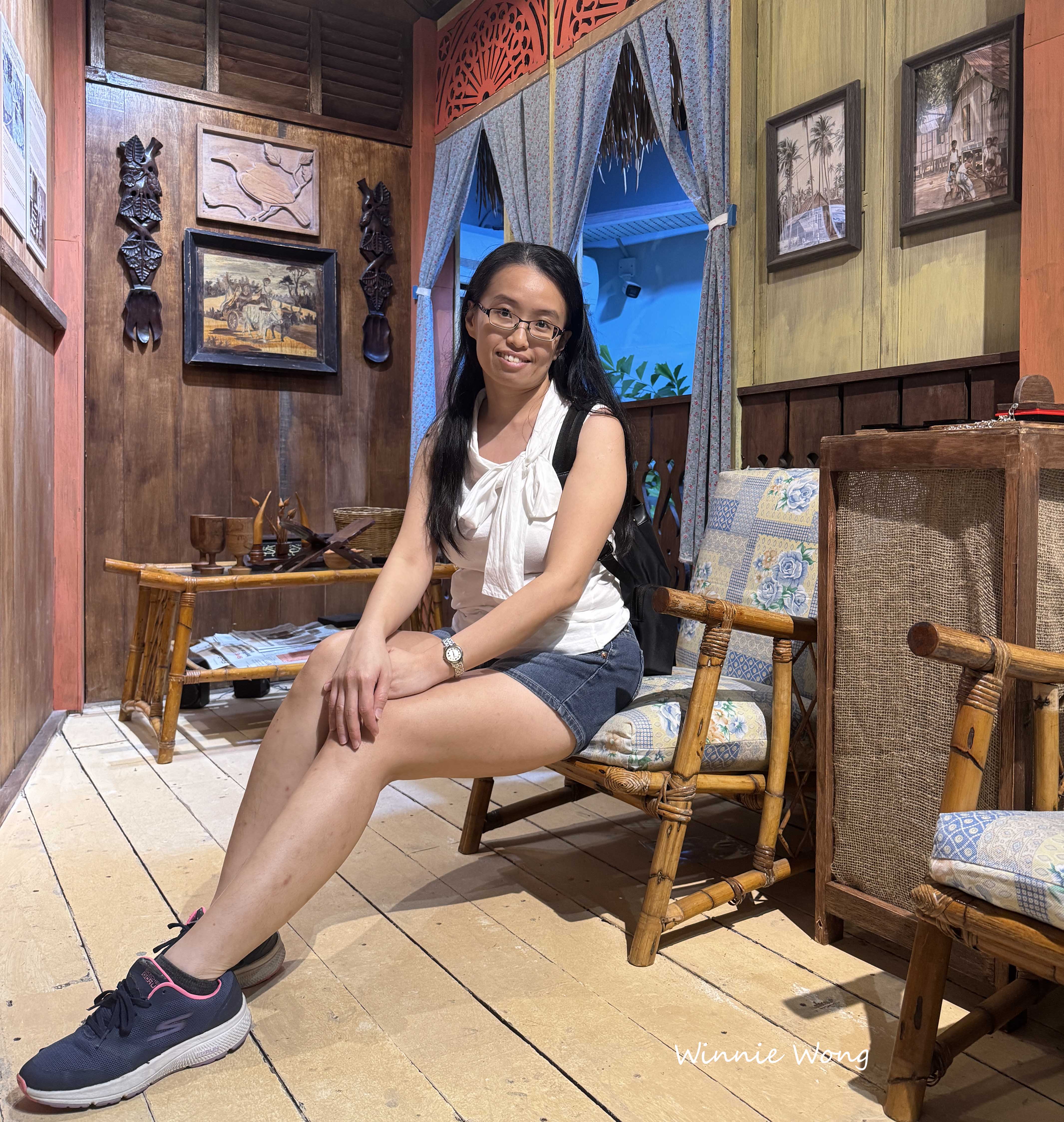
A Malay kampung house is recreated, featuring a living area with rattan chairs and everyday kitchen items, showcasing the essentials of minimal living.
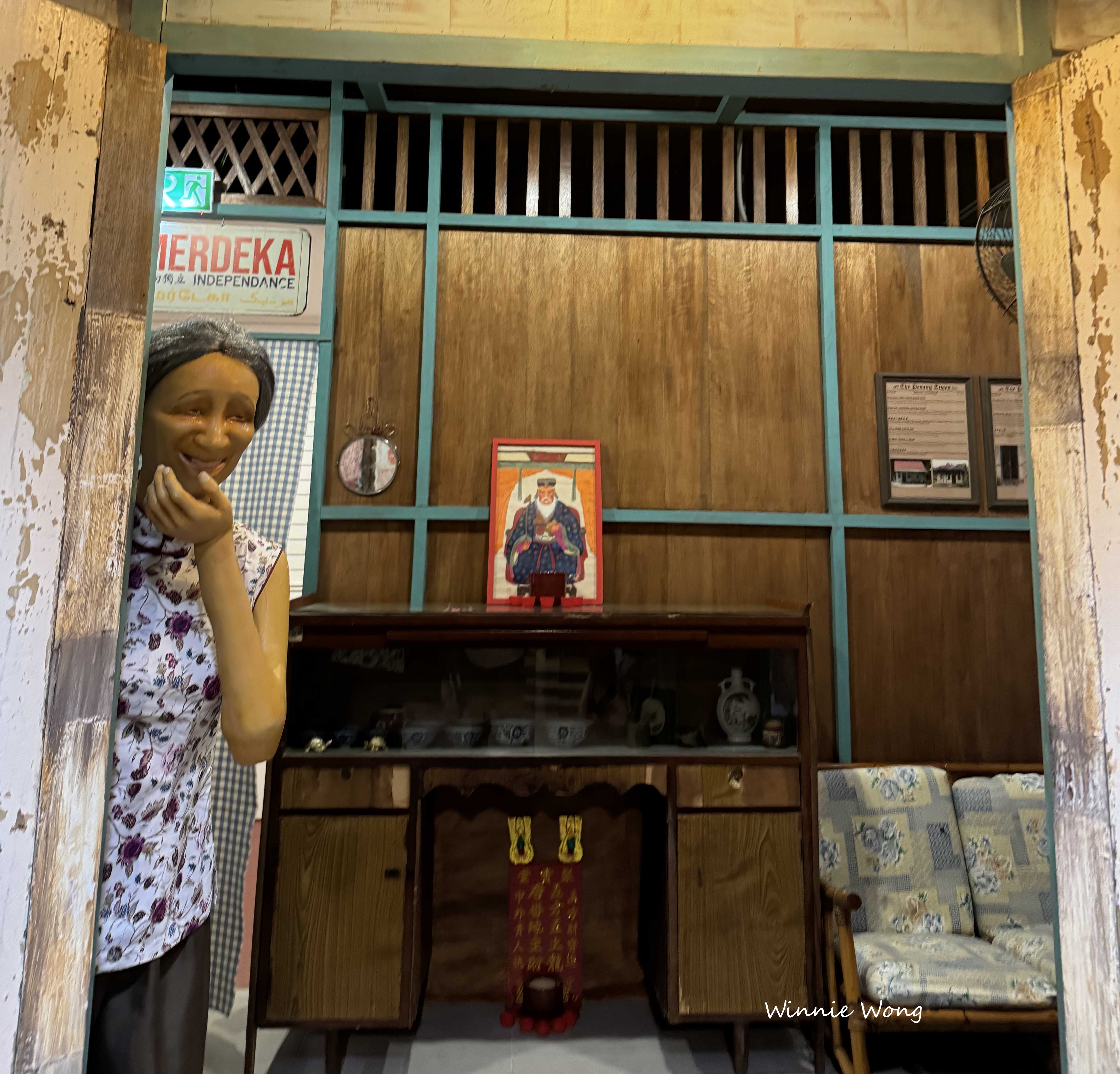
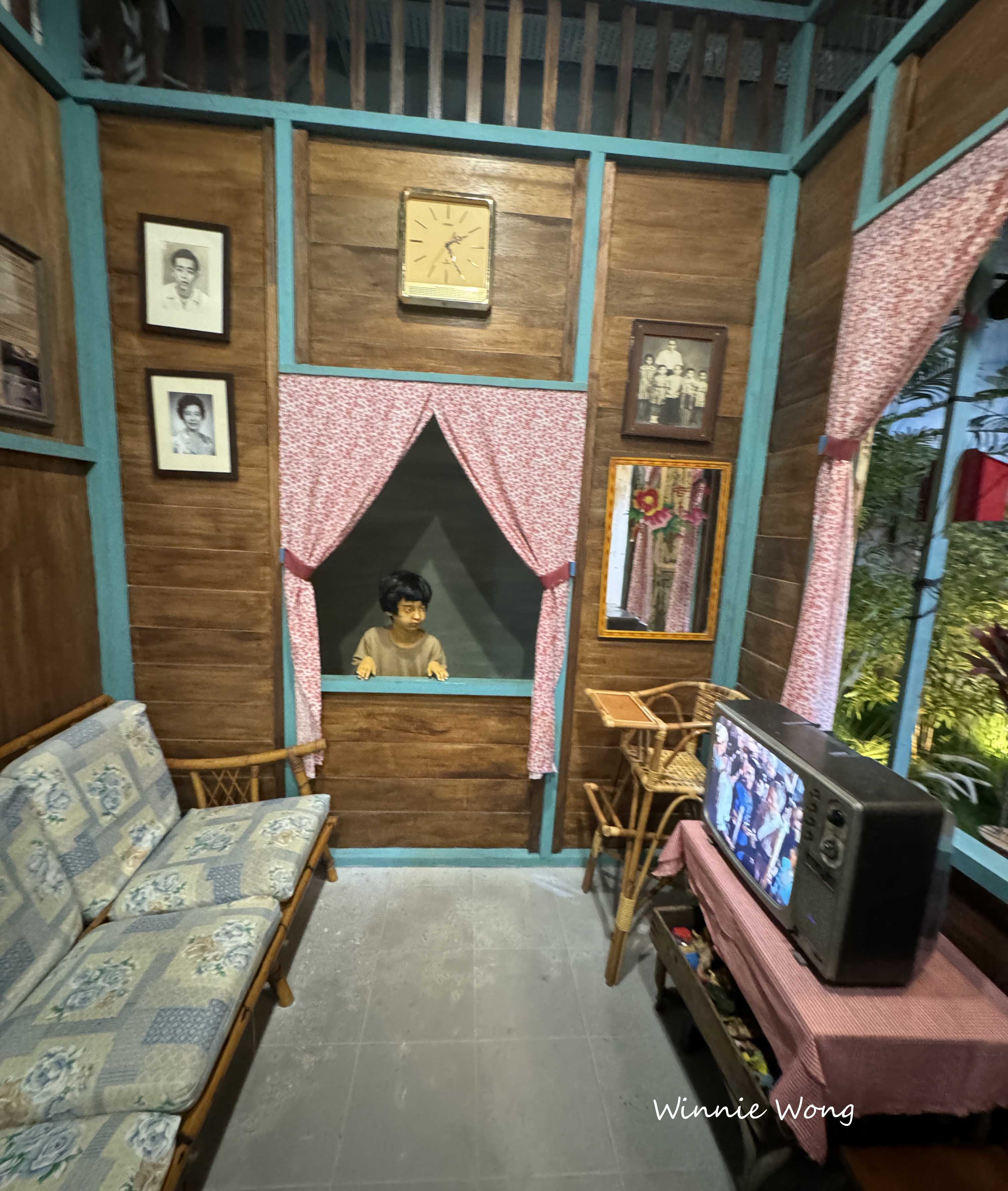
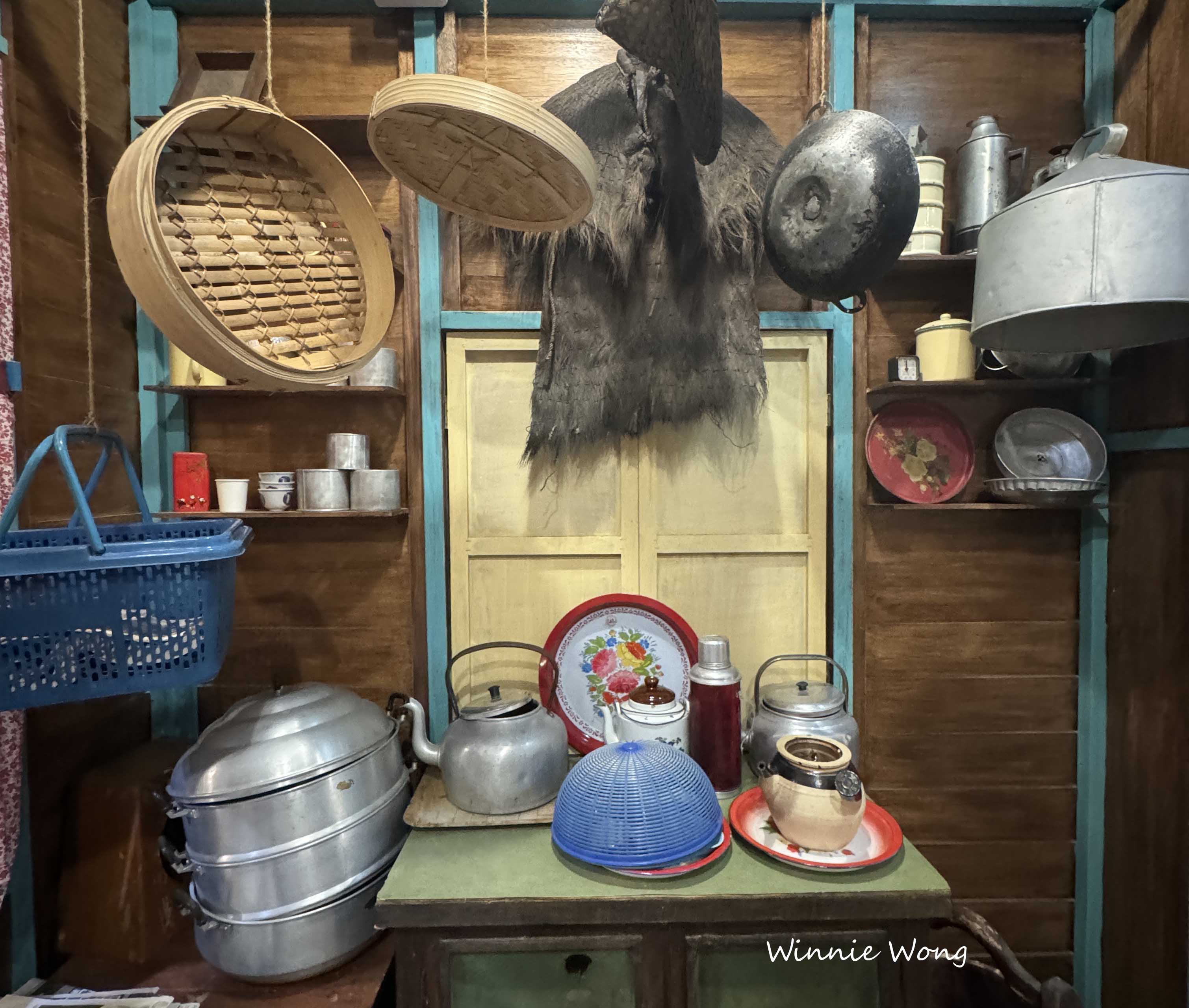
The Chinese household is equally detailed, offering a peek into family life through ancestral altars, ceramic ware, old baskets, family portraits, antique cupboards, and simple kitchen tools, creating a scene that feels like stepping into a family’s private memory.
These homes show how different communities lived side by side, each holding onto their traditions while adapting to the vibrant city around them. You’ll realise Penang’s beauty comes not just from architecture, but from cultures blending gradually and respectfully.
Other Notable Sections in the Gallery
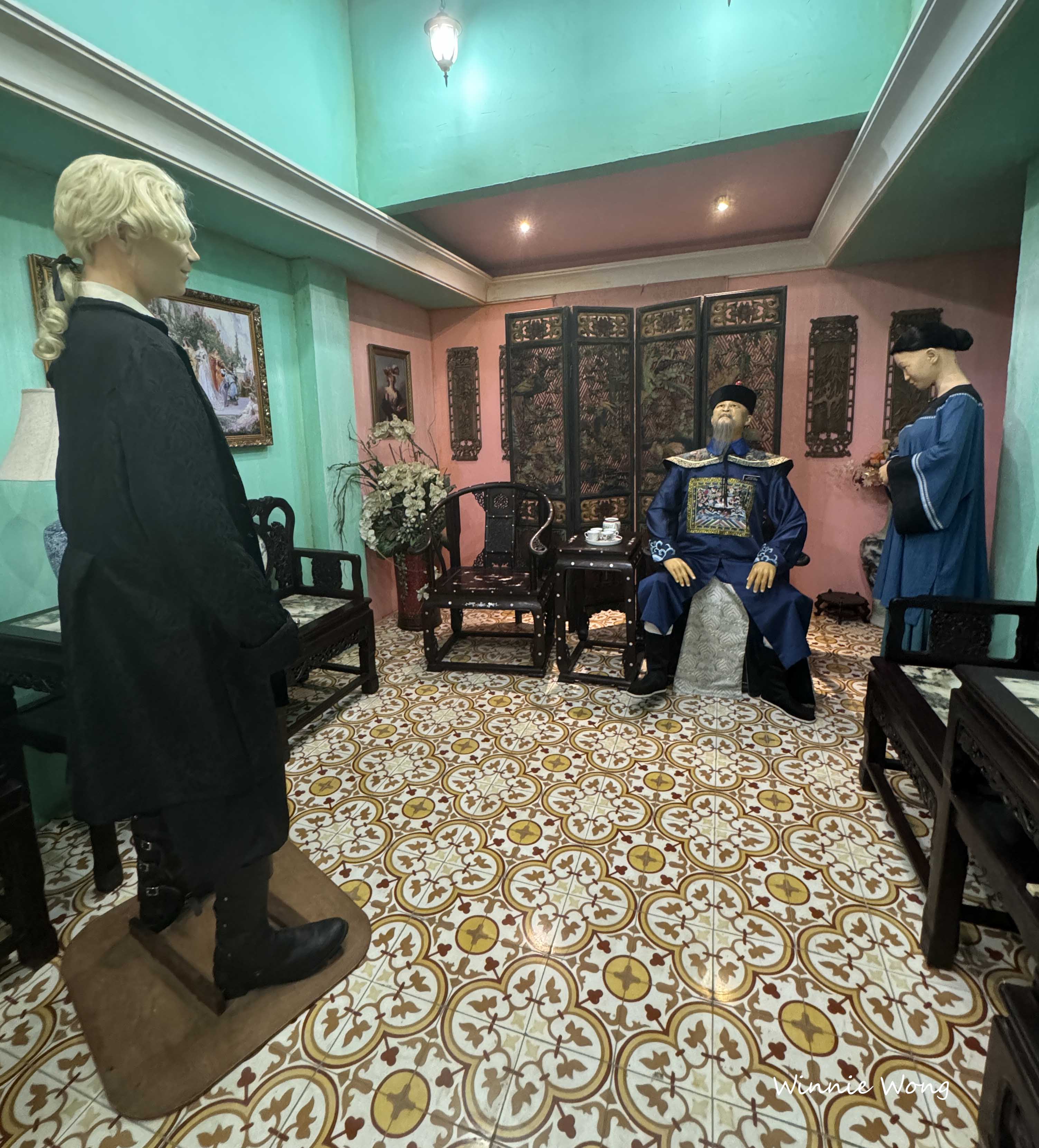
A recreated meeting room highlights the historic connection between Captain Francis Light and Kapitan Cina Koh Lay Huan, showing the cross-cultural exchanges that shaped Penang in its early days.
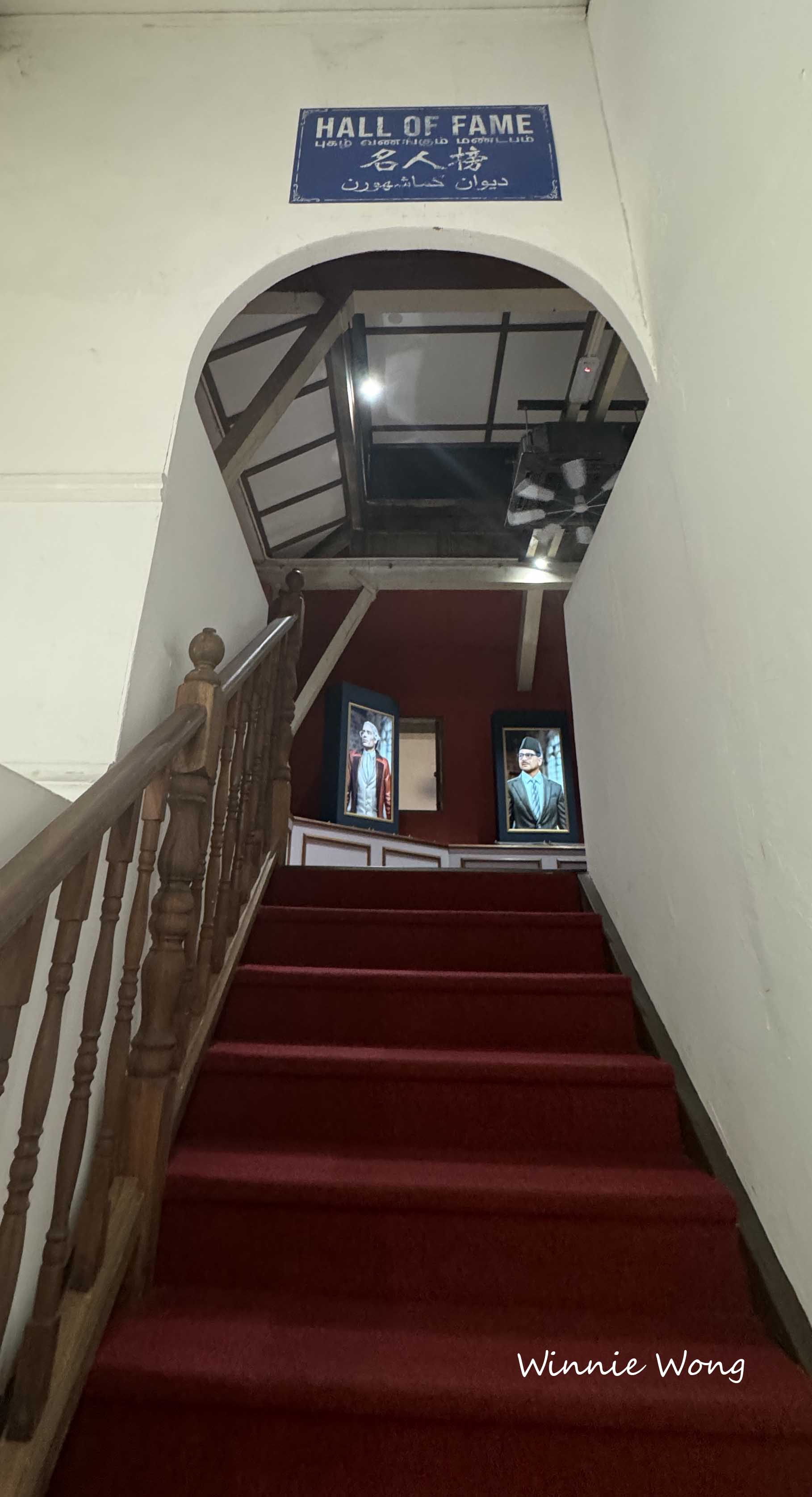
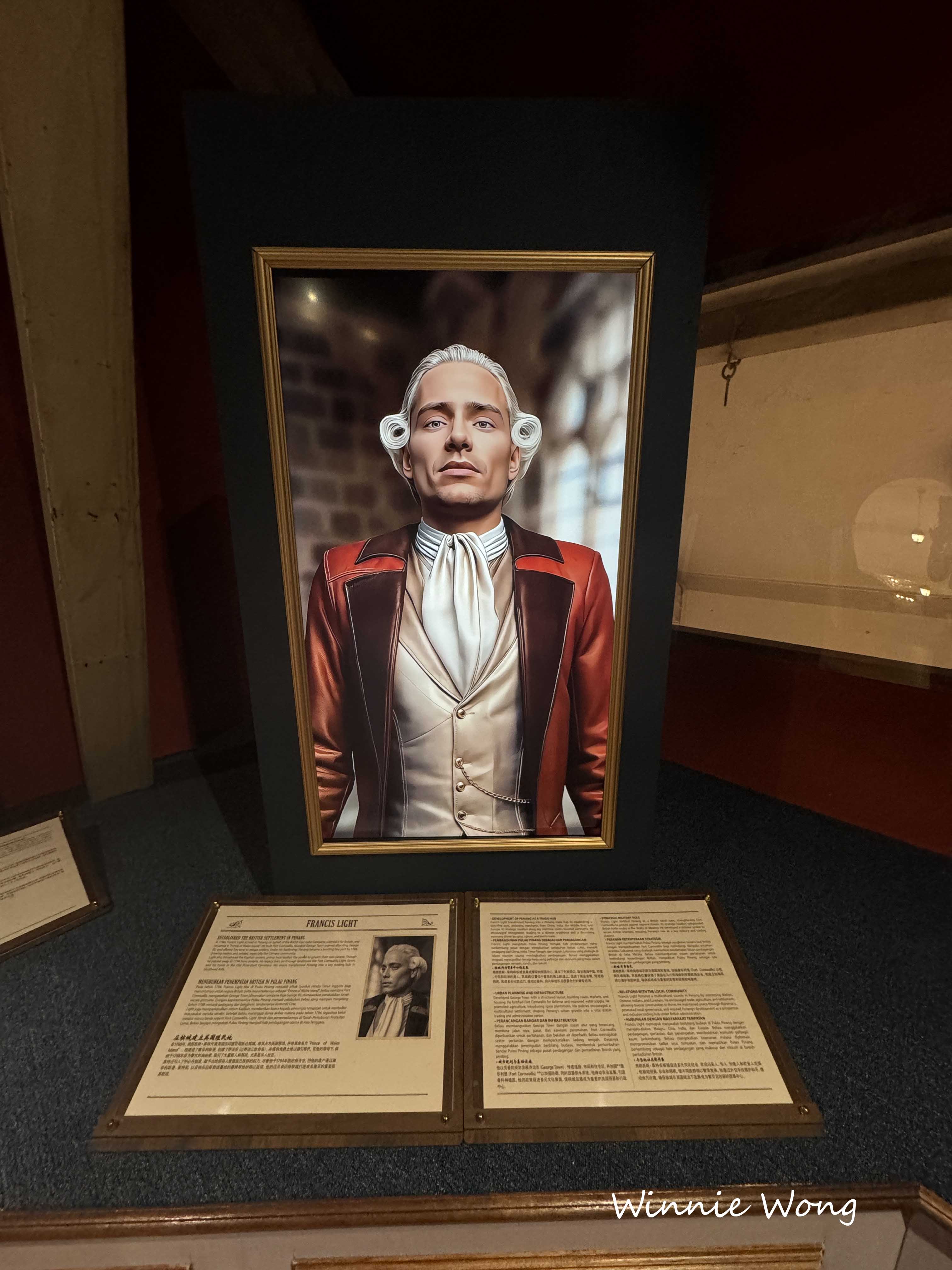
The Hall of Fame honours influential figures from diverse communities who have contributed to Penang’s progress in business, culture, education, and governance.
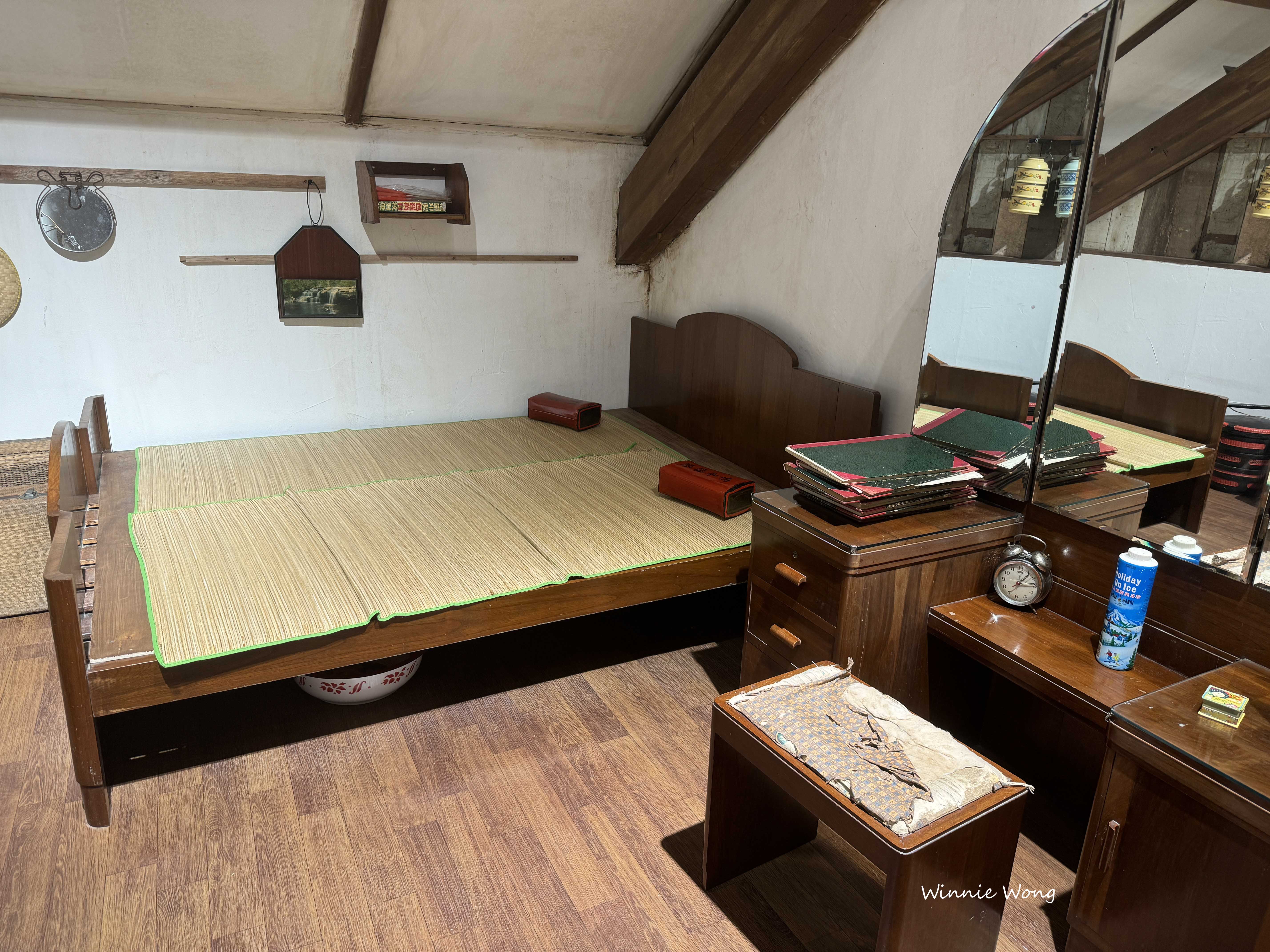
A dedicated area on Dr Sun Yat-Sen showcases the time he spent in Penang and how the island played a small yet meaningful role in his efforts toward modern Chinese reform.
These sections emphasise that Penang’s growth was driven not only by trade and infrastructure but also by leadership, community collaboration, and visionary ideas. These sections remind you that history is not only about places and events, but also about the leaders and people who pushed Penang forward.
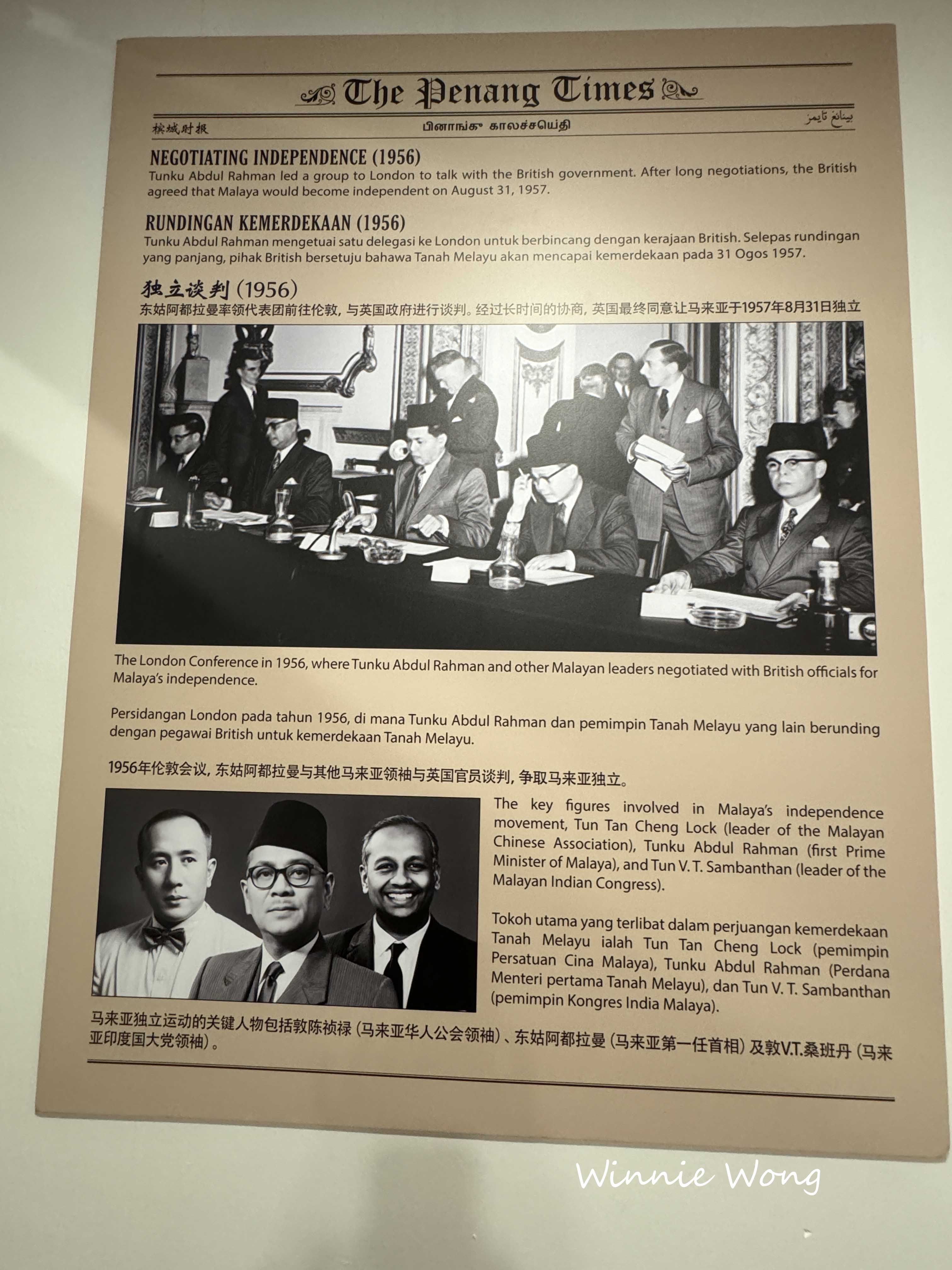
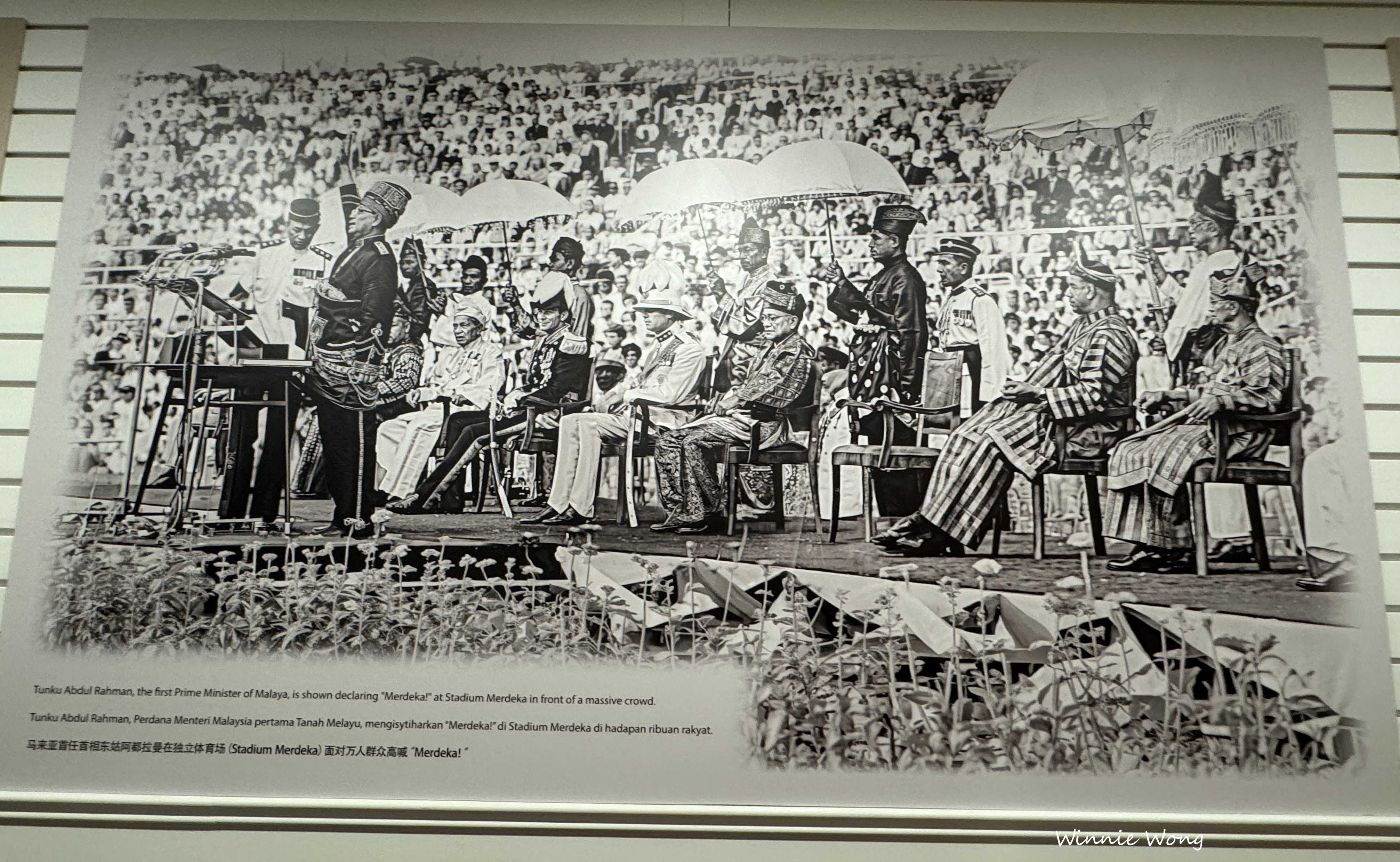
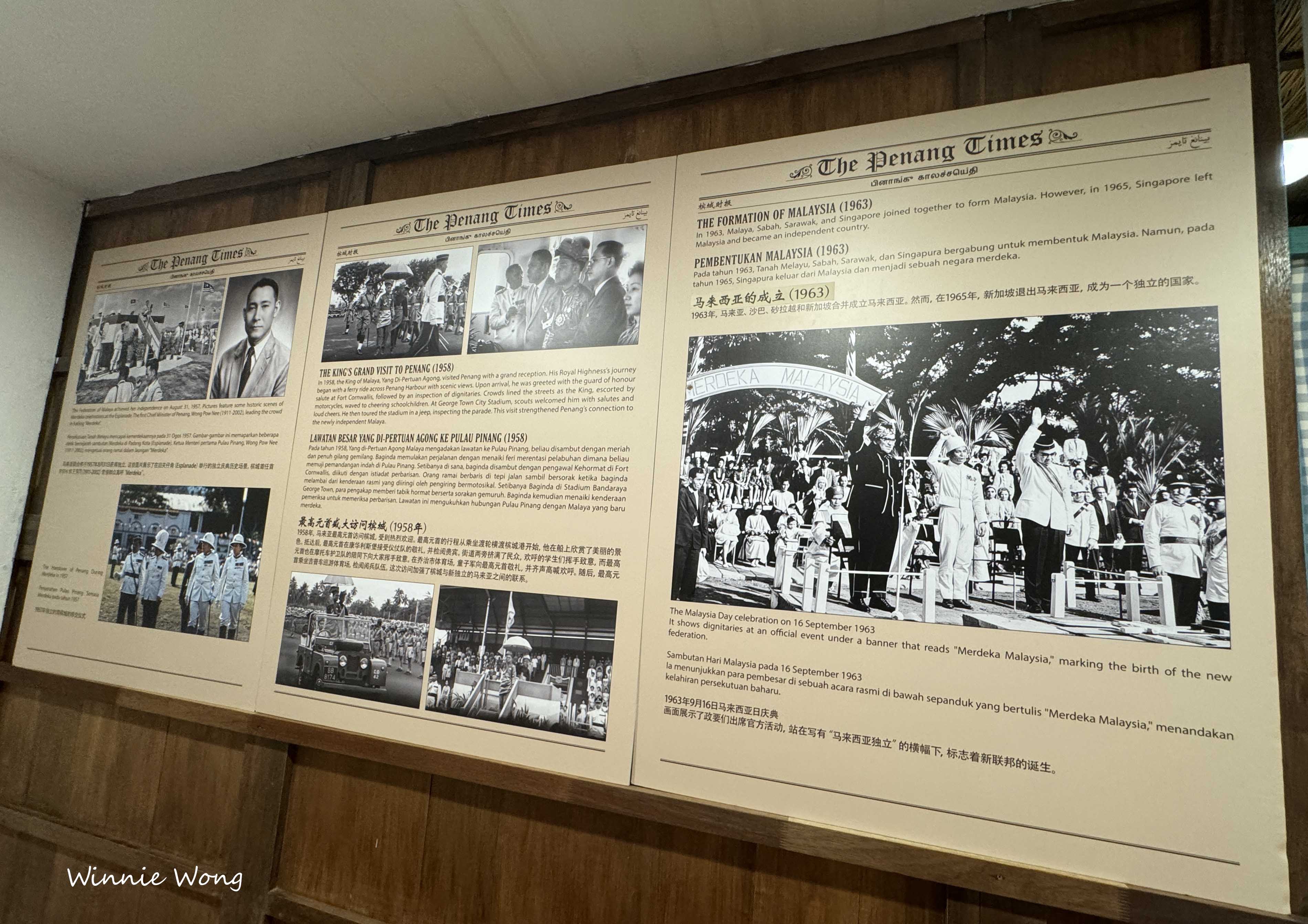
As you leave the social history area, the atmosphere shifts from tension to hope. The path leads you toward panels that tell the story of Malaya’s independence and the formation of Malaysia, giving a clearer picture of Penang’s place within a new nation. Informative boards explain how the country changed after gaining freedom, and what those changes meant for the people who lived on the island.
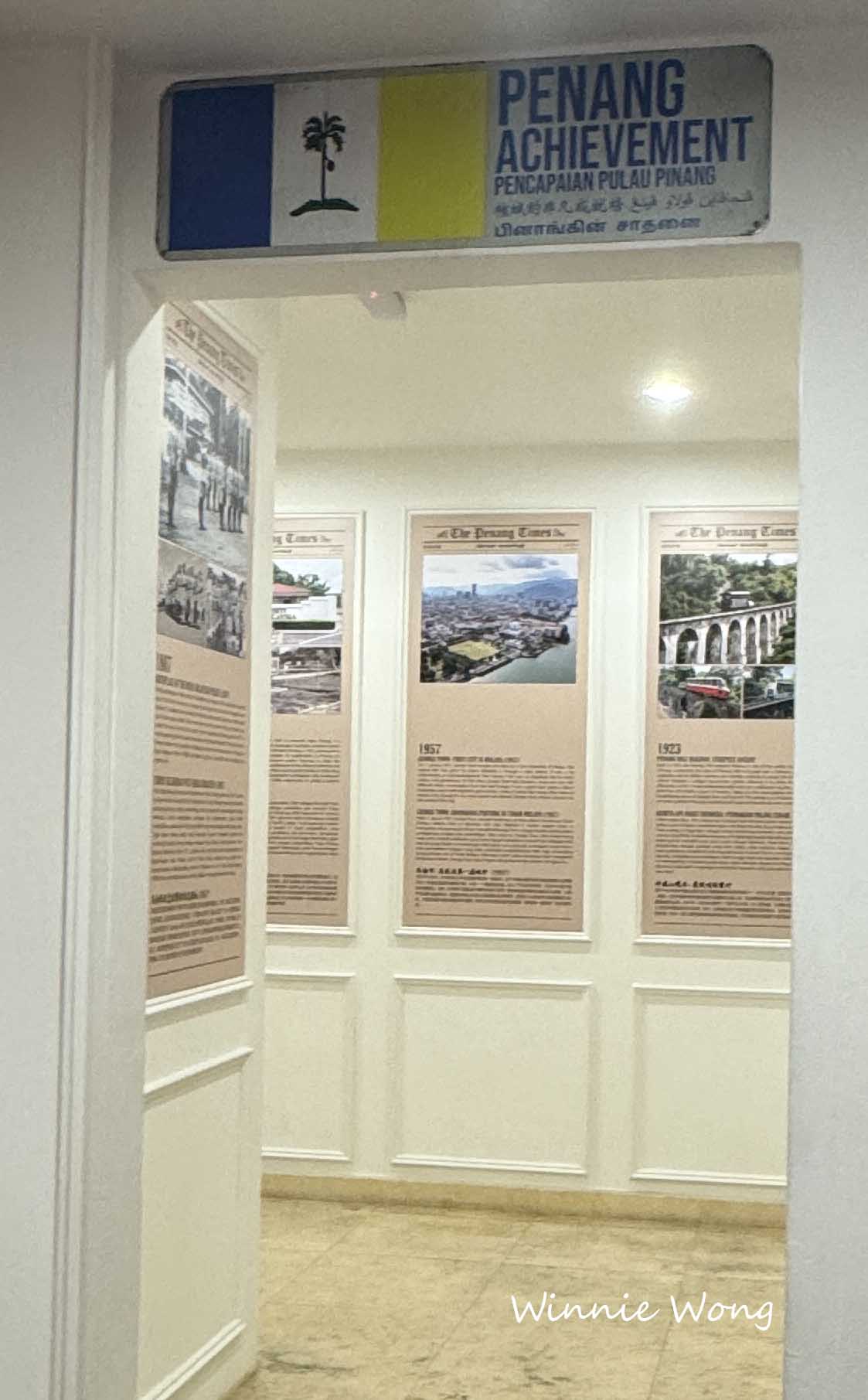
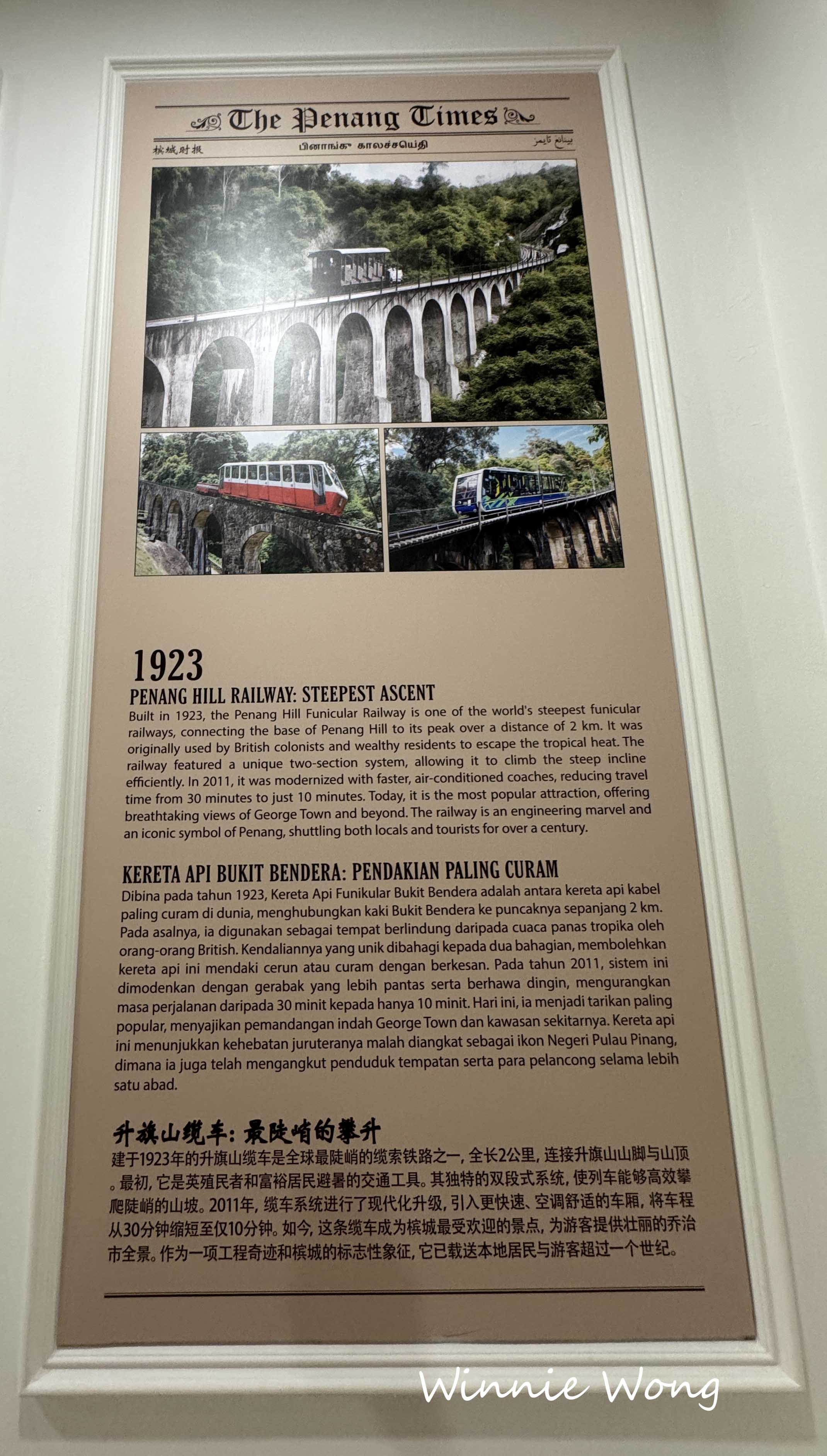
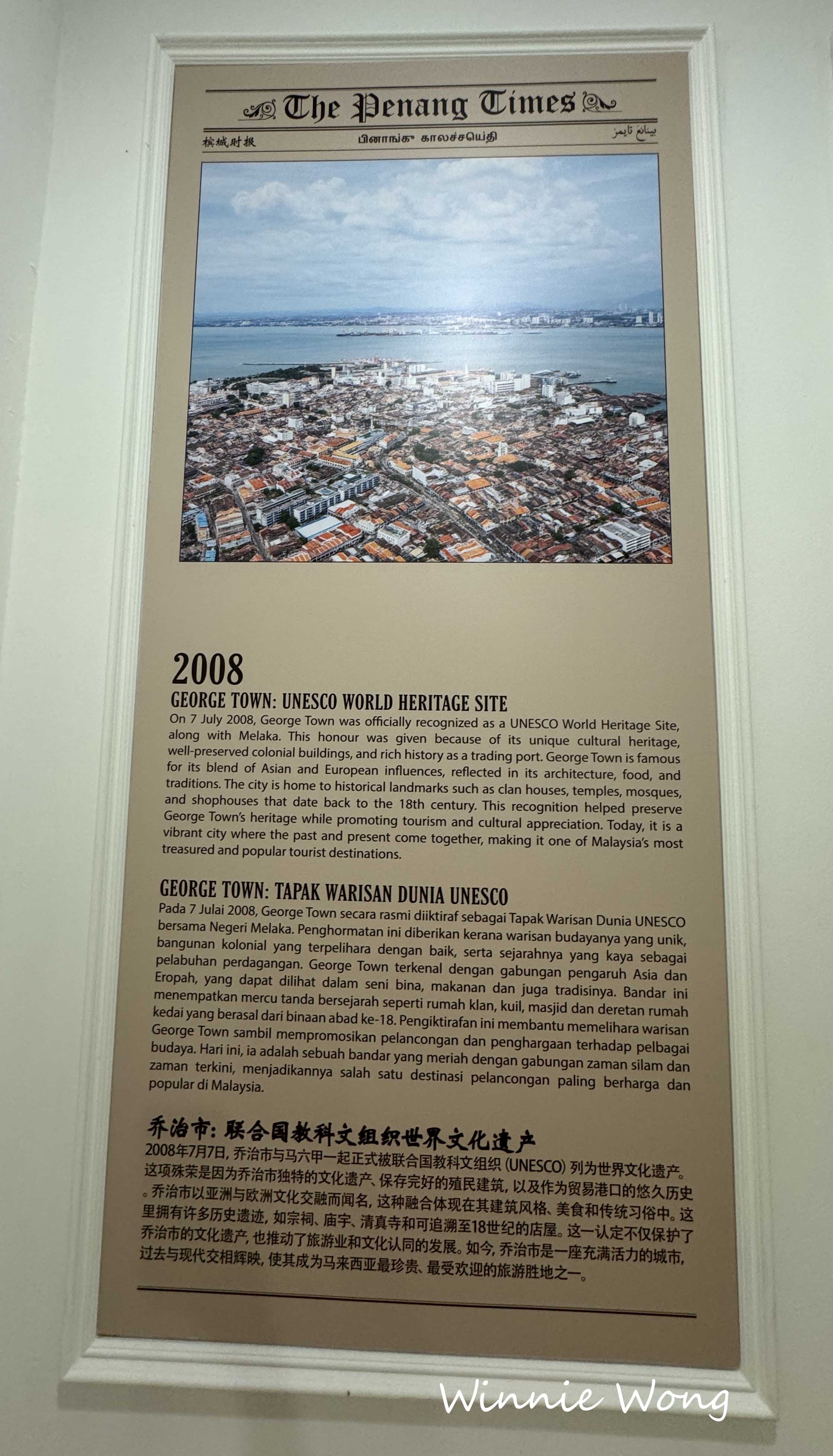
Before you exit, the final displays celebrate Penang’s achievements in education, the arts, tourism, and industry, illustrated through photographs of milestones and proud moments. It feels like closing a book on the past and stepping into a brighter chapter. You end the gallery experience with a sense of appreciation and optimism for the island’s future.
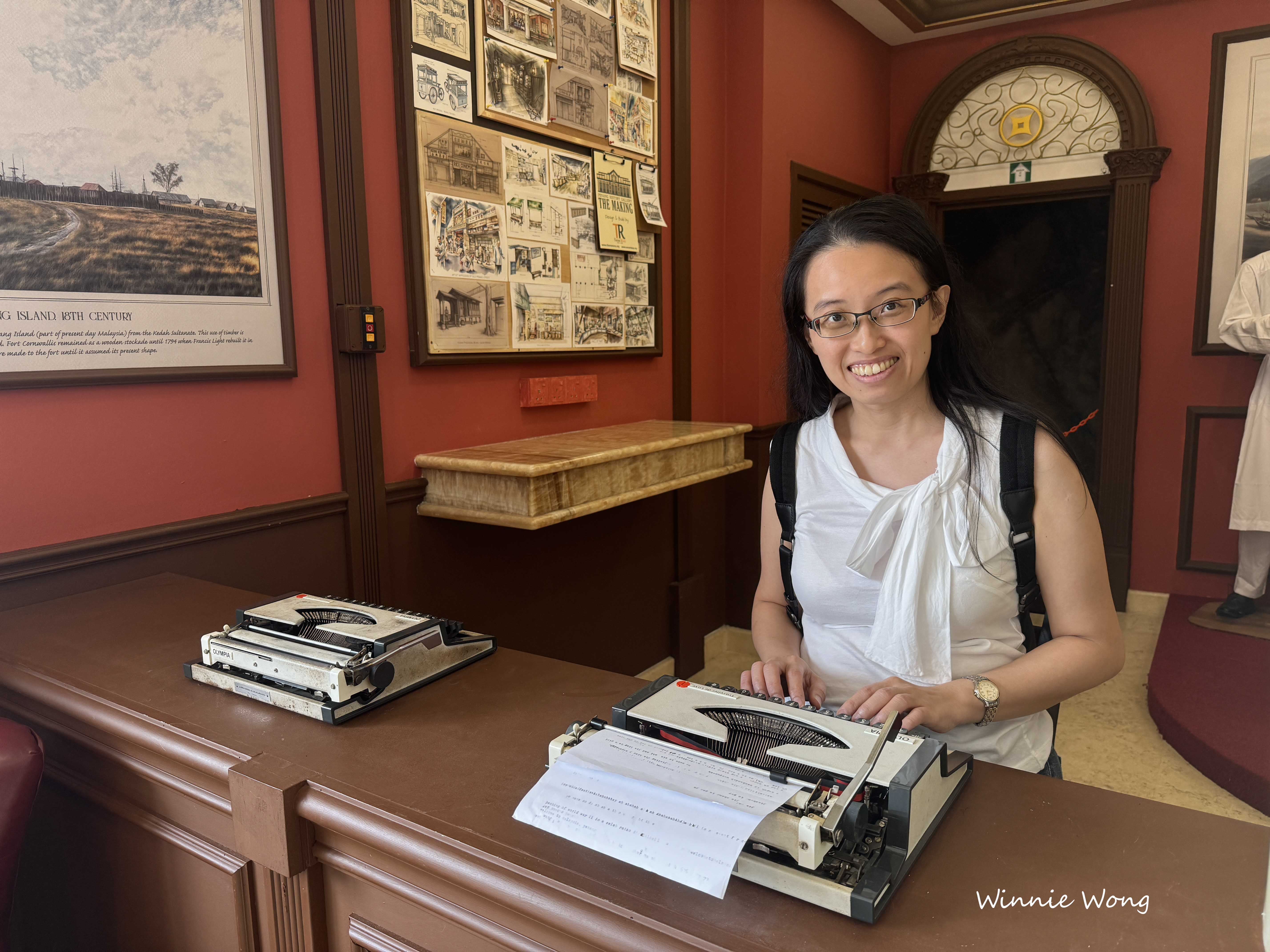
Penang History Gallery excels in the one thing many modern museums struggle with: emotion. It tells history through human experiences. Instead of overwhelming you with dates or pushing heavy facts onto your shoulders, it recreates moments. It lets you feel the rhythm of old Penang, neither from its charm, its struggles, its families, its noise, its survival, nor its beauty.
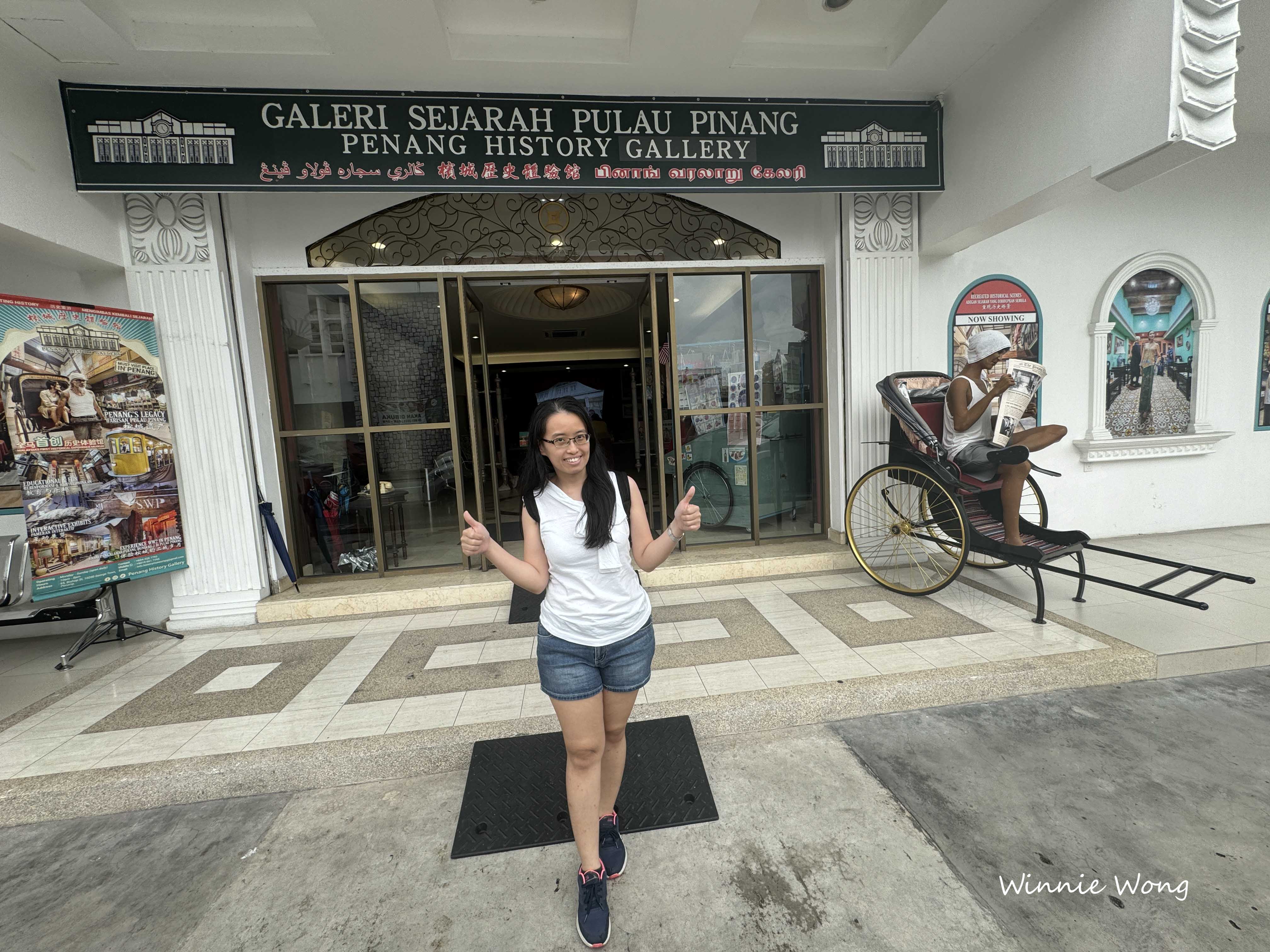
When you step back out after the visit, the modern-day Georgetown suddenly feels layered, textured, and alive with stories. The shophouses seem to whisper with old stories, and every street corner feels connected to the scenes you just walked through.
That connection is the gallery’s greatest accomplishment.